Exploring Modern Glassware: A Comprehensive Guide

Intro
In the realm of home décor and dining, glassware stands as a symbol of elegance and functionality. It's more than just a utility; it holds a certain allure that transforms the mundane into the extraordinary. As we forge ahead in a world that increasingly values both aesthetics and sustainability, modern glassware emerges not just as a trend but a statement of style.
The evolution of glass artifacts is fascinating, tracing back to ancient civilizations. Today, artisans and designers are experimenting with techniques that marry tradition with innovation. This guide takes a careful look at the various aspects of contemporary glassware — from its stunning designs to its indispensable role in dining settings.
Our journey will sweep you through the landscapes of functionality and beauty, touching upon the latest styles and essential care methods. The kitchen table might be the heart of the home, but it’s the glassware that often sets the stage for memorable moments. Let's dive into this intricate world and discover how modern glassware continues to shape our lives.
Furniture Styles and Trends
Modern vs. Traditional: Understanding the Aesthetics
When it comes to glassware, modern and traditional styles represent two sides of the same coin. Traditional glassware, often hand-blown with ornate details, carries stories of craftsmanship that have persisted through generations. These pieces, like those crafted by artisans in Murano, Italy, exhibit a certain nostalgia, appealing to those who cherish heritage.
In contrast, modern glassware embraces minimalism and sleek designs. Think of pieces with sharp lines and bold geometric shapes. The emphasis is on clarity and function. This newer aesthetics often utilizes materials that are less likely to cloud over time, ensuring longevity and durability.
- Characteristics of Traditional Glassware:
- Characteristics of Modern Glassware:
- Ornate designs and embellishments.
- Handcrafted by skilled artisans.
- Heirloom quality, often passed down through families.
- Clean lines with a focus on transparency.
- Functionality paired with striking visuals.
- Use of innovative materials like borosilicate glass.
Color and Material Trends: What's In and What's Out
Colors in modern glassware have gone through quite the evolution. Clear glass remains a classic choice, but a new wave of aesthetics celebrates vibrant hues. Jewel-toned glass—think deep emeralds and rich ambers—adds character to dining settings while also serving as engaging conversation starters.
In terms of materials, there’s been a notable shift toward environmentally friendly practices. Recycled glass has gained traction, showcasing how sustainability can blend seamlessly with modern aesthetics. These pieces not only reduce waste but also add a unique charm, as no two objects crafted from recycled glass are identical.
"Glassware today reflects not just our tastes, but our values — sustainability and style going hand-in-hand."
Some key trends to keep an eye on include:
- Emerging colors: Muted pastels and vibrant jewel tones.
- Texture innovations: Sparkling and matte finishes combined.
- Eco-friendly options: Recycled and biodegradable materials.
As trends ebb and flow, understanding the current landscape can help you make informed decisions. Choosing pieces that resonate with your aesthetic while maintaining ethical considerations creates a beautifully curated collection.
Furniture Care and Maintenance
Tips for Prolonging the Life of Your Furniture
Maintaining the beauty and functionality of your glassware involves a few key practices. Cleaning regularly is paramount, but it’s not just about aesthetics. Proper care ensures that any stains, smudges, or residues don’t become permanent visitors. Use a gentle detergent and a soft cloth to wipe down your glass pieces, avoiding abrasive materials that could scratch.
DIY Repair Hacks for Common Furniture Issues
If you notice minor chips or scratches on some of your glassware, don’t fret. There are several DIY approaches that can breathe life back into pieces that you thought were damaged beyond repair. Consider using a glass repair kit which commonly includes resins that fill in the gaps.
In summary, modern glassware is a captivating dialogue between artistry and function. As tastes evolve, the trends shift, but the essence of what makes glassware truly special remains unchanged. Dive deeper into this world, explore its splendors, and find pieces that not only serve a purpose but also inspire joy.
Intro to Modern Glassware
The world of modern glassware is not merely about elegance and aesthetic appeal; it intertwines history, geometry, and function into a fascinating narrative compelling both homeowners and designers alike. This introductory section sets the stage for a deeper examination of glassware's journey from ancient roots to contemporary styles and technologies.
Glassware plays a significant role in the home and dining experience, influencing not just how we serve beverages and food but also how we perceive our spaces. It can elevate an ordinary gathering into a remarkable occasion. The intricate designs and styles available today allow for personalization in homes that reflect individual tastes and preferences, making it essential to understand the historical and cultural contexts of glassware.
Historical Overview
Origins of Glassmaking
The origins of glassmaking can be traced back to ancient Mesopotamia around 3500 BC, where the first forms of glass were produced in limited capacities. An early form of glass was merely a by-product of pottery-making, often sought after for its alluring, shiny surface. What made it a worthwhile choice for this article is its foundational nature—it laid the groundwork for countless iterations seen today.
A key characteristic of these early days was the introduction of glassblowing in the 1st century BC by the Phoenicians. This technique marked an important milestone that allowed for more sophisticated shapes and forms, revolutionizing how glass was utilized in both functional and decorative applications. This legacy endures today, where craftsmanship is celebrated, and the innovation in glassware continues to blossom.
Advantages include the ability to create lightweight and versatile vessels, which could both serve practical purposes and showcase decorative artistry. On the downside, early glass was often fragile, leading to a loss of functionality in everyday use.
Evolution of Glassware Designs
From the rudimentary glass objects of ancient times to the intricate designs we find today, the evolution of glassware has seen significant changes. The Renaissance period, notably in the Venetian glassworks, introduced new colors and techniques, making glassware a coveted luxury item among the elite. This evolution emphasizes the duality of beauty and practicality—a hallmark that continues to define modern glassware.
One remarkable aspect of this evolution is the leap into mass production in the 19th century, which made glassware accessible to a broader audience. This accessibility has shifted perceptions, reflecting both necessity and luxury in daily life. Special designs emerged that catered not only to the aesthetic preferences of the user but also to functionality, ensuring that even the most ornate pieces could withstand the tests of time.
Aspects both advantageous, such as diversity in design and affordability, run in tandem with disadvantages, like the often impersonal touch of mass-produced items in contrast to handcrafted uniqueness.
Cultural Significance Across Eras
The cultural significance of glassware cannot be overstated. Each era reflects societal values and technological advancements. For example, during the Victorian era, glassware became an expression of status symbolizing refinement. Different cultures around the globe have integrated and adapted glass into their traditions, defining rituals, celebrations, and daily life.
A key characteristic of glassware through the ages is its ability to transform; it is more than a mere object but a vessel that carries stories, traditions, and artistry. From ancient chalices used in religious ceremonies to modern minimalist styles dominating contemporary homes, the thematic continuity of glass in societal rituals emphasizes its timeless appeal.
However, what may stand out as an advantage is the storytelling aspect that every piece of glassware holds—a confluence of history, artistry, and culture. The downside here could be an over-reliance on historicism which might overshadow newer creations that aspire to break free from the traditional mold.
In summary, the introduction to modern glassware not only highlights its evolution in design and materials but also sheds light on its indispensable role in our spaces and experiences today. Understanding these layers is crucial for anyone looking to appreciate or curate glassware in their environment.
Defining Modern Glassware
When we talk about modern glassware, we're not just discussing drinking vessels or decorative pieces. It's an exploration—an understanding of the materials, designs, and functionalities that merge to present a curated experience. The way we perceive and utilize glassware has shifted over the years, particularly with contemporary needs and tastes in mind. This guide seeks to illuminate how and why these characteristics matter in modern contexts.
Key Characteristics
Material Composition
The choice of material is paramount when defining modern glassware. Most pieces are made from soda-lime glass, which blends silica with soda and lime, offering clarity and durability. This material composition is not just about aesthetics; it's about safety and usability. For instance, lead crystal, while historically revered for its brilliance and weight, is being swapped out for alternatives due to health concerns. The transparent nature of glass allows for light to dance through it, enhancing the colors of beverages or floral arrangements inside.
Unique Feature: The choice between tempered and non-tempered glass is significant. Tempered glass can handle thermal shock better, making it suitable for tableware that often shifts from hot to cold. Meanwhile, non-tempered glass, typically lighter and more delicate, has a charm of its own but may have limitations in terms of durability.
Design Innovations
Design innovations in glassware reflect broader shifts in aesthetics and utility. Modern glassware often emphasizes clean lines, vibrant colors, and sometimes complex shapes that would not have been feasible in earlier eras. Innovations like 3D printing technology allow designers to play with structures that defy traditional molds, producing pieces that serve as art as much as function.
Key Characteristic: Functional beauty has become key in modern designs. A well-designed glass can be visually striking while also being easy to hold and pour.
Advantages: Well-crafted designs enhance the user experience by making glassware easy to handle and appealing to the eye. However, the risk is the cost—cutting-edge designs are often pricier, which could deter some consumers.
Functional Aspects
At the heart of modern glassware lies its functionality. This is crucial, particularly as dining and hosting trends evolve. Glassware today isn't just for show; it's a tool that affects how we experience flavors, aromas, and even the atmosphere of dining. For instance, wine glasses are designed to accentuate different varieties, with shapes tailored to improve the tasting experience.
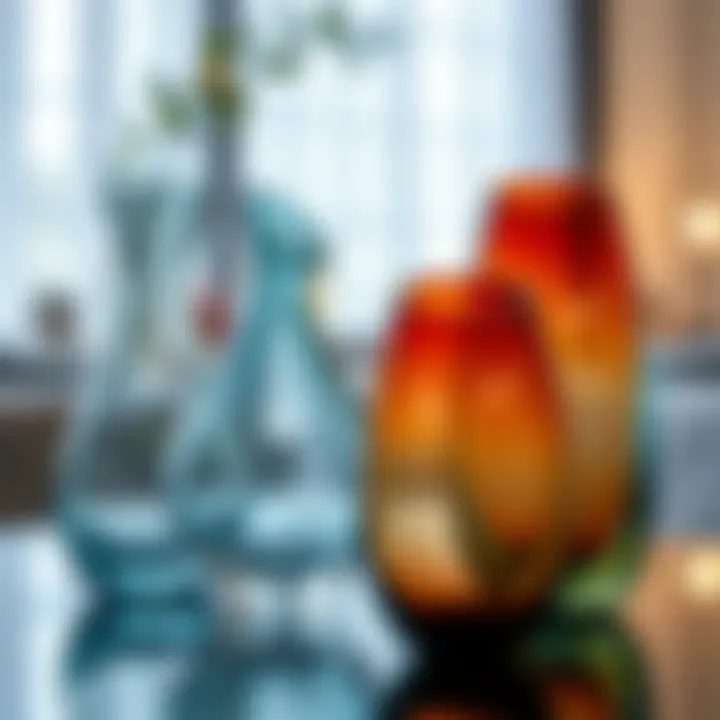
Unique Features: Features like insulated walls for stemless glasses prevent warming by hand, making them practical for casual settings. While modern glassware often emphasizes function, there can be a paradox—some pieces, while stunning, may sacrifice utility for form.
Categories of Modern Glassware
Tumblers and Glasses
Tumblers and glasses are the bread and butter of modern glassware. Available in an array of shapes and sizes, these vessels are designed for both everyday use and special occasions. They reflect a fundamental understanding of human interaction with beverages.
Key Characteristics: The ergonomic design ensures that they comfortably fit in hand. The variety ranges from minimalist to intricately patterned options, allowing personal style to shine through.
Advantages: Their versatility makes them essential in any household. However, mass-producing these items can lead to lower quality in some cases.
Decanters and Carafes
Decanters and carafes serve not just practical purposes of aeration and temperature control, but they also elevate the presentation of beverages. The visually appealing form captures attention while it functions.
Key Characteristic: A well-designed decanter creates a spectacle when pouring, inviting conversation around the table. It serves as an icebreaker and a symbol of hospitality.
Advantages: They can turn an ordinary drinking experience into something extraordinary. On the downside, some high-end designs can be fragile, needing careful handling.
Bowls and Vases
Bowls and vases are often at the intersection of function and aesthetic. While bowls are practical for food service, vases showcase floral arrangements, contributing to the overall ambiance of a space.
Key Characteristic: The breadth of styles, from simple glass bowls to elaborate vases, reflects personal taste and enhances the environment.
Advantages: A beautiful vase can transform a room, yet if the design lacks stability, it may risk toppling over or cracking easily.
In concluding this section, it becomes evident that defining modern glassware involves a comprehensive understanding of its materials, design, and function. Each piece carries a purpose, whether it’s elevating dinner settings or contributing to home decor, making awareness of these characteristics essential for both designers and consumers.
Modern Glassware Styles
The world of modern glassware encompasses a variety of styles, each imbued with its own aura of creativity and purpose. This section serves to illuminate the distinctive elements of glassware that are not only functional but also serve as reflections of individual tastes and lifestyle choices. Exploring these styles can enhance one’s understanding of how glassware affects both the visual atmosphere and the practicality of dining experiences.
Minimalist Designs
Conceptual Framework
Minimalism in glassware centers around the idea of simplicity and functionality. Designers prioritize clean lines, clear shapes, and the elimination of unnecessary embellishments. This stripped-down approach allows the material itself to shine, highlighting the elegance inherent in glass. These minimalist pieces often serve as a canvas, allowing other elements in a space to take center stage, which is a significant aspect when curating a cohesive look in modern interiors. However, while fewer components may appeal to some, others might find them lacking in character or warmth.
Notable Designers
Within the minimalist glassware movement, a handful of designers have made significant contributions. Names like Simon Pearce and Georg Jensen are prominent in the field, known for creating pieces that are both functional and aesthetically pleasing. The hallmark of their work is that each item, while simple, carries a story that often ties back to the natural world or the artisanal processes behind their creation. Yet, these designs can come at a premium price, raising the question of accessibility in high-quality design.
Implications for Interior Decor
Minimalist glassware seamlessly integrates into various decor themes, particularly modern and Scandinavian designs. These pieces enhance the spatial experience by creating an illusion of openness and lightness. The airy quality of such glassware adds to the ambiance, making it a favorite choice among decorators aiming for a sleek look. However, the understated nature can sometimes be a double-edged sword; it risks blending too readily into the background if not paired thoughtfully with other decor elements.
Artisanal and Handcrafted Glass
Craftsmanship Importance
Artisanal glassware emphasizes the significance of human touch in production. This craftsmanship often involves traditional techniques passed down through generations, each piece unique due to the methods used in its making. The appeal of artisanal glass lies not only in its exclusivity but also in its rich sensorial experience—each piece has subtle variations in texture and color that mass-produced items lack. However, this individualistic approach can lead to higher costs and varying availability, which may be a consideration for buyers.
Techniques Employed
Craft techniques such as blowing, shaping, and annealing are core to the creation of artisanal glassware. These methods allow artisans to produce pieces that are not only beautiful but also carry the story of their creation. Although the techniques involve time and skill, the resulting glassware often embodies a sense of authenticity and personality. The downside might include durability; handcrafted pieces can sometimes be more fragile than their industrially manufactured counterparts.
Featured Artisans
Highlighting artisans like Dale Chihuly or Lino Tagliapietra can provide insightful perspectives into the artisanal approach. Their works often transcend mere functionality, venturing into the realm of fine art. Consumers are increasingly drawn to such artisans, appreciating not just the object but the narrative behind it. Though, on the flip side, the limited production can lead to inflated prices, making it less accessible for the average buyer.
Sculptural Glassware
Function vs. Form
Sculptural glassware blends artistry with utility, often prioritizing the aesthetic impact alongside functional capabilities. These pieces serve as conversation starters, drawing attention and sparking interest regardless of practicality. Sculptural designs can transform simple glass items into bold statements within any setting. Yet, this eye-catching quality can occasionally overshadow their intended use, leading to pieces that are more decorative than practical.
Highlighting Unique Artists
Artists specializing in sculptural glass, such as Ffiona Lewis, push the boundaries of what glassware can represent. Their work broadens the understanding of glass as a medium not merely for creation but for expression. The allure of owning a piece from a renowned artist can certainly appeal to collectors. However, the cost of such original works can be prohibitively high, limiting audience accessibility.
Cultural Reflections in Art
The cultural implications of sculptural glass reflect broader societal trends and artistic movements. This type of glassware often encapsulates ideas, emotions, or critiques within its design. It acts as a mirror, reflecting contemporary issues through a creative lens. Though this potential for commentary is intriguing, the subjective nature of art means that not every viewer may resonate with the piece, creating a divide in appreciation.
The Production Process
Understanding the production process of modern glassware is essential for grasping its significance in both functional and artistic realms. This intricate process blends age-old techniques with contemporary innovations, revealing how glass transforms from raw materials into stunning creations. Exploring the production methods not only highlights the craftsmanship involved but also sheds light on the choices that affect glassware’s aesthetic value and usability.
Materials and Techniques
Commonly Used Glass Types
Commonly, glass comes in several types, such as soda-lime glass, borosilicate glass, and lead glass. Each type has its own specific blend of components.
For instance, soda-lime glass is the most prevalent type because it's relatively cheap and easy to mold, making it a staple in everyday glassware. It's known for its versatility but can be prone to breaking under sudden temperature changes. In contrast, borosilicate glass is more heat-resistant, allowing for use in kitchenware and laboratory equipment. This uniqueness serves both practical and quality purposes in modern designs, often seen in both utilitarian and decorative pieces.
Molding and Blowing Methods
To form glass into beautiful shapes, traditional methods like blowing and molding are employed. Blown glass, created by inflating molten glass into a bubble, is truly a hallmark of artistry. This method results in both distinctive designs and intricate detailing that mass production simply can't replicate.
Molding, on the other hand, offers precision and uniformity, allowing designers to create specific shapes consistently. The choice between these methods often hinges on the intended design and function of the finished product, with blowing lending a personal touch while molding ensures reliability.
Finishing Techniques
Finishing techniques play a huge role in enhancing the final appearance of glassware. Methods such as polishing and etching are often applied after the initial fabrication to ensure both beauty and safety. Polished glass shines and enhances clarity, making it instantly appealing to potential buyers.
Etching, particularly, allows for customization and added texture, giving pieces individuality and depth. While these techniques do require additional time and skill, the resultant quality and aesthetic appeal make them worthwhile investments in the glassware market.
Innovations in Manufacturing
Sustainability Trends
The modern glassware industry is increasingly leaning towards sustainability. Manufacturers are discovering ways to incorporate recycled materials into their glass production. This reduces waste and lessens the carbon footprint, aligning with the growing consumer demand for eco-friendly products. However, the unique challenge lies in maintaining quality while using recycled glass, which may affect clarity or durability.
Technology in Production
In recent years, technology has revolutionized the glass manufacturing process. From computerized cutting tools to robotic assembly lines, advancements have increased efficiency and precision. Utilizing techniques like computer-aided design (CAD) has allowed for more intricate and customized pieces to be created quickly. While some purists may argue this dilutes traditional artistry, it undoubtedly opens new avenues for innovation and design.
Impact of Industrial Design
Industrial design has significantly shaped contemporary glassware production. Designers focus on integrating functionality with aesthetics, thoroughly assessing the product's usability while enhancing its visual appeal. This approach has led to a wave of glassware that is not only beautiful but serves a distinct purpose in everyday life. However, the challenge remains to find the balance between artistic expression and practicality, ensuring that forms created are as useful as they are eye-catching.
Ultimately, the production process of modern glassware encapsulates a blend of age-old techniques married with cutting-edge advancements, showcasing not just the beauty of the materials but reflecting the evolving values of society as a whole. This nuanced combination amplifies the significance of glassware in our lives beyond just being mere vessels.
Functional Aspects of Glassware
When we think of glassware, it’s easy to get lost in its elegance and design. However, the functional aspects of glassware play a crucial role in not only enhancing dining experiences but also in the broader context of daily life. This section dives into how these functional elements not only serve aesthetic purposes but also bring significant benefits, from enhancing flavor profiles to ensuring practicality.
Impact on Dining Experience
Presentation Matters
In the world of dining, presentation is everything. The way food and drink is served can completely transform a meal. When we talk about "Presentation Matters," it goes beyond simply looking good. Choosing the right glassware enhances the visual appeal of beverages, whether it’s a rich red wine in a finely crafted goblet or a colorful cocktail in an artisanal glass.
A key characteristic of presentation is its ability to create an inviting atmosphere. Imagine a beautifully set table with sparkling glasses catching light and complementing the décor. It creates an experience rather than just a routine. Using glasses that are not only functional but also presented well can make a mundane meal feel like a special occasion.
However, there’s a balance to strike. While flashy designs can dazzle, they can sometimes overshadow what’s inside the glass. A disadvantage might include the difficulty in cleaning intricate designs, which can deter people from using them frequently. Overall, mindful presentation significantly enhances the indulgence associated with dining.
Interplay with Table Settings
Each piece on the dining table plays a role in setting the mood, and glassware is no exception. The interplay with table settings refers to how glassware complements other elements on the table, such as plates, utensils, and centerpieces. This characteristic of glassware showcases its ability to harmonize with various styles of dinnerware.
When chosen thoughtfully, glassware can tie together a theme—be it rustic, modern, or even elegant. For instance, round glasses might pair beautifully with soft, flowing table linens, while angular glasses could add a contemporary edge to a formal dinner setting. The unique feature here is versatility; glassware is adaptable to various themes, which can either be an advantage or a disadvantage. Sometimes, if it doesn’t match well, it can lead to a discordant look while dining.
Cultural Dining Practices
Cultural dining practices dictate how we engage with food and drink. The role of glassware in these practices can’t be understated, as it can reflect traditions and customs. Different cultures have distinct practices that involve specific types of glassware, adding to the communal aspect of dining.
A hallmark of cultural dining is its emphasis on rituals. For example, in Asian cultures, tea is often served in delicate glass teapots that highlight the colors and clarity of the brew. This adds not only a sensory experience of taste but also visual enjoyment. Yet, the challenge comes with the need to educate people on these customs, which some may not be familiar with—resulting in discrepancies in how dining experiences unfold.
Versatility in Usage
The beauty of glassware lies in its versatility. It isn't limited to formal dining or special occasions; it bridges the gap between everyday use and decorative appeal. This quality resonates with people across the spectrum from casual consumers to serious enthusiasts, making knowledge in this area pretty essential.
Everyday Versus Decorative Use
Glassware can serve dual functions—everyday use and decorative. This characteristic indicates how some pieces are designed for practicality while others are made to impress. Everyday glassware might include sturdy tumblers and basic wine glasses that are functional yet pleasing to the eye.
On the flip side, decorative glassware, which includes intricately designed vases or unique cocktail glasses, often finds itself on display rather than in use. The advantage of having both types is that it allows for a range of uses from casual gatherings to more upscale entertaining. A downside, however, is the temptation to prioritize decorative pieces which may not always serve well functionally when the occasion arises.
Design for Functionality
When it comes to selecting glassware, functionality should never be overlooked. The philosophy of "Design for Functionality" emphasizes the need for glassware to not only look appealing but also to work well for its intended purpose. This characteristic is crucial as it guarantees that a wine glass will truly enhance the aromas and flavors of the wine it holds.
A unique aspect of functional designs is ergonomic factors; handles on mugs or gripped designs add comfort and ease of use. A potential downside could be overly simplistic designs that sacrifice visual interest for sheer practicality. Still, striking the right balance between the visual aspects and functionality is essential in achieving a satisfying glassware selection.
Seasonal Considerations
Finally, glassware can also be influenced by seasonal changes. "Seasonal Considerations" relate to how different times of the year may necessitate varying styles and types of glassware for different occasions. For example, clear glasses are often favored in spring and summer for their light and refreshing appeal. In contrast, heavier glasses with darker hues might be preferred during fall and winter, aligning with the seasons' warmth.
The key characteristic here is adaptability; glassware should reflect the spirit of the season, enhancing the dining experience accordingly. An advantage includes the option to rotate collections to keep settings fresh and exciting. However, one downside might be the necessity for additional storage if you are accumulating a variety of pieces for different seasons.
Choosing Modern Glassware
Choosing modern glassware carries significant weight when navigating the intricate world of contemporary design and functionality. The right piece of glassware can elevate a dining experience, bring cohesion to home décor, and even reflect one’s personality. As tastes evolve and trends change, understanding key aspects in selection becomes paramount for homeowners, designers, and enthusiasts alike.
Factors to Consider
Size and Shape Options
Size and shape play crucial roles in the usability and aesthetic appeal of glassware. Depending on the context, various sizes can serve different purposes—from a compact tumbler designed for casual vodkas to wide bowls used for salads. Each shape contributes to how one perceives and enjoys the drink or food
- Versatility: A selection that includes both slender and wide-mouthed options makes it easier to suit various needs. The right piece enhances the experience of whatever is served.
- Balance: A well-proportioned glass offers an ideal grip and pleasant visual appeal, ensuring every sip or bite feels delightful.
These considerations can significantly enhance an occasion or meal, making size and shape vital attributes when choosing glassware.
Personal Style Influences
Personal style massively influences the choice of glassware, often reflecting one's taste, culture, and lifestyle. Choosing pieces that resonate with personal aesthetics can turn ordinary table settings into expressive showcases.
- Artistic Expression: Selecting glassware that aligns with individual styles, such as minimalist or bohemian, can complement overall home decor.
- Unique Flair: Custom or artisanal glass options bring uniqueness to any collection, standing apart from mass-produced items.
As such, understanding personal style not only aids in making an educated choice but also facilitates an enjoyable experience that feels authentic and fulfilling.
Purpose and Occasion
When inviting friends over or hosting formal gatherings, understanding the purpose of each piece of glassware is essential. Different occasions call for distinct types of glassware, contributing to the overall atmosphere and experience.
- Matching Atmosphere: A casual beer glass fits a barbecue, while a crystal wine glass elevates a dinner party.
- Functionality: Some occasions explore more than just drinkable presentations; the right glassware might also serve practical functions like retaining temperature or facilitating aeration.
Grasping the essence of purpose ensures that the chosen glassware not only fulfills a need but also enhances the event itself.
Quality Assessment
Techniques for Evaluating Material
Understanding the materials that go into glassware is key for identifying quality. Glass can vary widely in composition, impacting durability and clarity, which reflects directly on overall performance in both aesthetic and functional terms.
- Clarity Test: Inspecting for bubbles and imperfections helps evaluate quality, ensuring choices last long and perform well.
- Weight Consideration: A glass that feels substantial typically suggests durability and superior craftsmanship.
These assessment techniques ensure informed purchase decisions, leading to more satisfactory experiences with glassware.
Brands to Watch
Not all brands are created equal; some have established reputations for excellence in design and durability. Knowing which brands are noteworthy in glassware production can offer a streamlined decision-making process, saving time and energy for any buyer.
- Heritage Brands: Companies like Riedel and Waterford represent high standards in glassware, known for their precision-cut crystal and innovative designs.
- Emerging Trends: Keeping an eye on new and smaller designers can unearth unique finds that may become essential pieces in contemporary settings.
Being aware of reputable brands provides a reliable path to finding high-quality glassware that matches expectations.


Price versus Quality Balance
Finding the right balance between price and quality can be a real balancing act. While high price points can indicate superior material and craftsmanship, affordability does not necessarily equate to low quality.
- Value Assessment: Sometimes, lesser-known brands offer unique designs without hefty price tags, making them treasures worth exploring.
- Investment vs. Disposable: Understanding when to invest in high-quality glassware and when to opt for more budget-friendly options can lead to smarter choices.
These considerations create a framework for making balanced glassware choices, ensuring satisfaction with purchases over time.
Caring for Glassware
Caring for glassware might seem like a trivial task, but it plays a substantial role in extending the life and aesthetic of these elegant pieces. Proper care ensures that glassware retains its shine and functionality, while also preventing it from breaking or becoming damaged. Considering the expense often associated with modern glassware, particularly artisanal or designer pieces, it becomes imperative to understand how to clean, maintain, and store them effectively. This not only preserves the value but also enhances the overall dining or decorative experience.
Cleaning Techniques
Hand Washing Versus Machine Washing
When it comes to cleaning glassware, there's often a debate between hand washing and machine washing. Hand washing has long been regarded as the safe bet, especially for delicate or intricately designed pieces. The gentle touch provided during hand washing minimizes the risk of chipping or scratching fragile glass surfaces. Moreover, it allows one to pay close attention to each piece, ensuring every inch is properly cleaned.
However, machine washing, which is quick and efficient, comes with the advantage of convenience, especially after a large gathering. The best practice involves placing the glassware securely in the dishwasher, preferably on the top rack, to avoid high-pressure jets that can cause damage.
It's essential to weigh the benefits against the potential pitfalls. Hand washing is typically more effective in preserving the integrity of glassware, while machine washing offers efficiency with some risk.
Recommended Cleaning Products
Choosing the right cleaning products is crucial to maintain the clarity and luster of glassware. Mild dish soap is often recommended; it removes grease without causing harm to the glass. Products with abrasive elements can scratch or dull the surface, turning a beautiful piece into a less appealing one.
Additionally, some enthusiasts swear by vinegar or baking soda as natural alternatives. Vinegar adds shine without coating the glass with chemicals, while baking soda can tackle stubborn stains. Just a small dose mixed with water can be a game changer when it comes to maintaining glass clarity. Care must be taken to avoid items like bleach, as they can wreak havoc on glass surfaces, leading to cracks or cloudiness.
Common Mistakes to Avoid
Understanding common mistakes can lead to better care practices. One widespread error involves overcrowding glassware in sinks or dishwashers, leading to clanging and potential breakage. Another frequent misstep is using high-heat drying cycles when washing, which can stress the glass and lead to cracks over time.
Moreover, neglecting the importance of drying methods can result in water spots, diminished appearances, and even a buildup of mineral deposits. Instead of rubbing with rough towels, opting for lint-free cloths is the way to go, ensuring that the glass remains pristine. Avoid taking shortcuts and give each piece the careful attention it deserves.
Storage Solutions
Optimal Storage Practices
When it comes to storing glassware, thoughtfulness makes all the difference. Ideally, glassware should be stored upright to prevent any accidental tipping or breakage. For stacking purposes, it is essential to insert soft cloths between pieces to guard against chipping.
In cabinets or shelving, organization can enhance not just usability but also aesthetic appeal. Accommodating different shapes and sizes, while maintaining a balanced layout keeps everything neat and presentable. Using shelves that provide ample space prevents the urge to cram, which can lead to damage over time.
Preventing Damage
Preventing damage center around ensuring that glassware is shielded from both physical impacts and environmental factors. Direct sunlight can lead to discoloration or thermal stress, especially with colored glass pieces. Hence, finding a cool, dark place for storage becomes paramount.
Beyond just light, keeping glassware away from areas with extreme temperature fluctuations is also vital. Rapid changes can lead to cracking, particularly in hand-blown or intricately designed pieces. In essence, strategically considering storage options can add longevity to each piece.
Creating an Attractive Display
The aesthetic aspect of glassware is undeniable; thus, how it is displayed can elevate the whole interior space. Creative arrangements in glass cabinets or shelves enhance visual appeal while showcasing the beauty of each piece. Utilizing variations in height and arrangement can produce a striking effect.
Additionally, intentional lighting has a significant impact. Up-lights or soft LED strips can shine through glass and create captivating reflections. However, moderation is key; too much light can lead to thermal damage over time. Displaying glassware should be about marrying functionality with visual allure, ensuring that pieces are both seen and well cared for.
Trends in Glassware Design
Understanding trends in glassware design is like taking a stroll through a gallery of artistic innovation and practical utility. Today's glassware encompasses a myriad of styles that reflect cultural values, personal taste, and technological advances. This section delves into the pressing trends that shape modern glassware, scrutinizing their impacts and benefits on both aesthetic appeal and functionality.
Sustainability in Glassware
Material Recyclability
When discussing material recyclability in glassware, it’s vital to see how this aspect intertwines with sustainability. The glass, being inherently recyclable, can be melted down and reshaped multiple times without losing its quality. This feature supports environmental well-being, making it a popular choice among eco-conscious designers and consumers alike. The ability to recycle glass not only reduces waste but also decreases the need for raw materials. However, not all glassware is designed with recyclability in mind, and some forms may include additional layers or coatings that complicate their disposal.
Eco-Friendly Manufacturing
The eco-friendly manufacturing of glassware is yet another notable trend shaping the industry. Manufacturers are increasingly adopting practices that minimize environmental impact, such as reducing emissions during production or sourcing local materials. This not only aligns with growing consumer demands for sustainable products but also fosters a more ethical approach to craftsmanship. The jewel of this practice is its potential to transform the industry from a polluting entity into one that respects the planet. Yet, the challenge remains: balancing affordability with sustainable practices, which can sometimes inflate costs for consumers.
Consumer Attitudes Towards Sustainability
Now more than ever, consumer attitudes are shifting towards sustainability, influencing purchasing decisions across industries, including glassware. There’s a rising demand for environmentally friendly products, which compels brands to adapt and offer more sustainable choices. In this context, consumers tend to support companies that prioritize sustainable practices. However, while many cherish eco-friendly glassware, others still consider traditional options due to price or status. This discrepancy highlights the ongoing need for education around sustainability in glassware and the benefits of making responsible choices.
Integration of Technology
Smart Glassware Innovations
Smart glassware innovations are carving out a niche in today's market, offering a blend of technology and design. These items often feature built-in sensors or connectivity that enhance user experience, like smart drinkware that tracks hydration or temperature. Such innovations present a fascinating intersection of utility and technology, appealing to modern consumers who seek convenience and functionality. However, the challenge lies in ensuring that these innovations don't overshadow traditional craftsmanship, preserving the artistry of glassmaking.
Design and Smart Functionality
The emergence of design intertwined with smart functionality poses both opportunities and challenges in glassware design. By integrating smart technology into aesthetically pleasing forms, this trend represents a significant leap forward in product utility. Consumers benefit from glassware that not only looks good but also assists in their daily lives. Yet, it’s important not to overcomplicate designs; too much technology can detract from the simplicity and charm that glassware traditionally embodies. Striking a balance between elegance and function remains essential for designers.
Future Directions in Glassware Technology
Looking down the road, glassware technology holds promising possibilities. Innovations like self-cleaning surfaces or glassware that can monitor beverage-health standards are becoming more feasible with advancing tech. These directions in technology may alter how glassware is made and used, revolutionizing the industry. Yet, as with any new trend, there are concerns over the integration of tech—particularly around cost and sustainability. Ensuring that future innovations adhere to eco-friendly principles is crucial as they enter mainstream market.
Overall, staying informed about trends in glassware design is beneficial for anyone interested in enhancing their home decor or dining experience. Embracing both sustainability and technology opens doors to exciting opportunities for the modern consumer.
Closure
The exploration of modern glassware reveals several key elements that underline its importance in design and daily life. This concluding section synthesizes threads of knowledge collected throughout the article, bringing the focus back to three main factors: the potential for new designs, the influence of global trends, and the necessity for consumer education and awareness.
The Future of Modern Glassware
Potential for New Designs
The future of modern glassware looks bright, thanks to the potential for innovative designs. Creativity mingles with functionality to offer unique pieces that not only enhance usability but also serve as eye-catching decor. The rise of customizable and modular glassware provides an avenue for personal expression. This is a beneficial choice as consumers increasingly seek items that reflect their individual tastes.
One unique feature is the incorporation of mixed materials, like glass with ceramics or metals, which creates durability without sacrificing aesthetic appeal. However, while these designs can be captivating, they may come with care requirements that aren’t typical for standard glassware.
Impact of Global Trends
Global trends wield considerable influence over glassware designs and consumer preferences. Homeowners and designers alike are leaning towards sustainable options, making eco-friendly glassware more popular. By embracing green manufacturing processes, the industry is responding to an urge for responsible consumption, which aligns with today’s conscientious approach to home design.
A unique aspect of this trend is the integration of recycled materials into the glassmaking process, which not only decreases waste but also offers distinct textures and colors to finished products. However, sourcing these materials can sometimes limit availability and increase prices, making it an area for consumers to tread carefully.
Consumer Education and Awareness
Consumer education is paramount in understanding the complexities of modern glassware. As designs evolve, so do the materials and techniques behind them. By promoting comprehensive awareness around quality products—what to look for, how to care for them— consumers can make more informed choices that will benefit longevity and aesthetics in their homes. One critical characteristic of consumer education is bridging the gap between design awareness and practical usage.
Unique initiatives such as workshops on glass care or online seminars can support this. While these educational efforts will bolster consumer confidence, the challenge remains in reaching those who may be unaware of modern glassware’s developments.
In summary, the future of modern glassware isn’t just about what’s hot on the shelves; it’s about evolving with contemporary values, understanding craftsmanship, and making informed choices. By emphasizing these aspects, the article hopes to enlighten homeowners, designers, and enthusiasts, ensuring modern glassware can be appreciated for its beauty and functionality.