The Evolution of Window Treatments: Blinds vs. Drapes
Intro
The world of window treatments has walked a long and winding road from its humble beginnings to the modern-day choices available. Imagine a time when homes were stripped bare of any treatment, relying solely on wooden shutters or even nothing at all for privacy. Fast forward to today, where the battle between blinds and drapes commands attention. Each has its own charm, history, and purpose, creating a diverse landscape for homeowners and designers alike. This article takes a closer look at the evolution of these window treatments, aiming not just to inform, but to inspire thoughtful selections that enhance living spaces.
Furniture Styles and Trends
Window treatments are more than practical tools; they shape the narrative of a room's design. Understanding how modern and traditional styles intermingle can steer decisions concerning aesthetics, functionality, and harmony within your space.
Modern vs. Traditional: Understanding the Aesthetics
Modern design sways toward minimalism and clean lines, making place for sleek blinds that offer both style and efficiency. Roller blinds and vertical blinds exemplify this approach, often found in polished, contemporary settings. On the flip side, traditional styles wrapped in rich fabrics and intricate patterns lean towards drapes made from luxurious materials like silk or velvet. These treatments exude elegance and timelessness, often draping gracefully down to the floor, inviting warmth and comfort.
The contrast does not just stop at functionality; it extends into emotional spaces too. Consider the feeling a soft, cascading drape might evoke compared to the crisp, tailored look of a blind. These choices reflect personal tastes and lifestyles, allowing individuals to express their uniqueness through window coverings.
Color and Material Trends: What's In and What's Out
Color trends shift like a chameleon, often influenced by societal norms and technological advancements. As of late, muted palettes in natural tones have become all the rage for both blinds and drapes, embodying an earthy vibe that speaks to sustainability. Fabrics like linen, cotton, and eco-friendly synthetic materials are preferred for their dual ability to look good and protect the planet.
In contrast, bold hues have fallen slightly out of favor, though accents in richer tones can still make a statement, evoking emotional depth. Choosing materials that also provide insulation can save on heating and cooling costs, adding a layer of practicality to the aesthetics.
Furniture Care and Maintenance
When investing in quality window treatments, understanding proper maintenance can ensure their longevity and functionality. Here are some essential pointers:
Tips for Prolonging the Life of Your Furniture
- Routine Cleaning: Regularly dust and vacuum your blinds or drapes to keep them looking fresh. For blinds, a microfiber cloth works wonders; for drapes, a gentle wash may be necessary.
- Exposure Awareness: Limit direct sunlight to preserve colors and prevent fading. UV-blocking coatings can help.
- Gentle Handling: When drawing drapes open or closed, take care not to pull too hard, which can strain the fabrics and attachments.
DIY Repair Hacks for Common Furniture Issues
- If your drapes are starting to fray, a quick stitch can do the job. Sewing a small patch from leftover fabric can extend their life.
- For blinds that stick, applying a little silicone spray to the mechanisms will have them gliding smoothly again in no time.
- Stains on light-colored fabrics can be treated using a mix of white vinegar and water. Test on a small area first!
Keeping blinds and drapes in good shape is an investment in both aesthetics and home comfort. Proper maintenance turns these features into timeless elements that enhance any space rather than merely serving a functional purpose.
"The right window treatment can turn a house into a home, weaving together the threads of style, comfort, and functionality."
For more insights on window treatments, check resources like Wikipedia and Britannica.
Preface to Window Treatments
Window treatments play a pivotal role in the design and functionality of any space. Understanding their evolution not only gives us insights into our homes but also offers us appreciation for the aesthetic and practical elements they bring. In this article, we will delve into the various facets of two major types of window treatments: blinds and drapes. Each has its unique benefits and challenges, addressing diverse needs of homeowners, designers, and DIY enthusiasts alike.
Importance of Window Treatments
First and foremost, window treatments offer a balance of style and utility. They are not just about blocking light or maintaining privacy; they serve as key decor elements, influencing the mood and atmosphere of a room. Well-selected treatments can soften harsh edges of windows, add warmth to a space, and even serve as a reflection of the homeowner’s personality. By diving into the historical context of blinds and drapes, we'll see how they’ve adapted over time to meet the changing needs of society.
Another critical aspect is energy efficiency. Modern window treatments can significantly impact energy consumption by reducing heating and cooling costs. Homeowners can optimize natural light and manage indoor temperatures, and choosing the right treatments is an essential factor in creating an eco-friendly living space.
Finally, knowing the cultural variations in window treatments can inspire creativity and broaden perspectives. Different regions may favor one style over the other based on climate, tradition, or design trends. Therefore, understanding these nuances can help homeowners make more informed and thoughtful decisions when selecting treatments for their windows, ultimately showcasing their individual style while fulfilling practical requirements.
"The right window treatments can turn a house into a home, elevating the aesthetic while addressing practical needs."
In the sections that follow, we’ll explore the historical context of blinds and drapes, their cultural significance, and how they can be tailored to personal preferences while maximizing efficiency.
Functional Aspects of Blinds
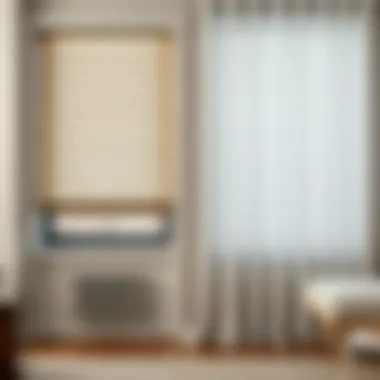
The functionality of window blinds plays a pivotal role in their widespread appeal among homeowners and designers alike. With modern living spaces seeking versatility, considering how blinds can be used not only for aesthetics but also for achieving practical solutions is essential. From controlling light to enhancing energy efficiency, the importance of understanding the functional aspects of blinds cannot be overstated.
Light Control and Privacy
Blinds offer a remarkable control over light entering a room. Unlike drapes, which can be either fully open or closed, many blinds provide adjustable slats which allow for a tailored approach to lighting. This means homeowners can filter sunlight during specific parts of the day, creating a balanced atmosphere that works for both productivity and relaxation. For example, in a south-facing living room where direct sunlight can become harsh, wooden blinds can be angled to diffuse light without completely darkening the space.
Moreover, the aspect of privacy cannot be ignored. Blinds can be tilted or pulled down to block the view from outside, allowing residents to maintain their comfort without sacrificing natural light. In neighborhoods where homes are close together, this control over visibility is invaluable. The ability to modulate openness and privacy at will truly elevates the living experience.
Energy Efficiency Benefits
In today's world, energy efficiency is a significant consideration for homeowners. Blinds can contribute to this aspect significantly. They act as a barrier, reducing heat transfer through windows. During colder months, keeping blinds closed can retain warmth inside, while in summer, drawing them during the heat of the day can keep rooms cooler. The resulting reduction in the use of heating and cooling systems can lower energy bills, aligning well with eco-conscious living.
Also, certain types of blinds, such as honeycomb shades, are designed specifically for insulation. These have air pockets that trap air, creating a barrier that further enhances energy savings. Investing in these can make a noticeable difference in a home's energy consumption.
Varieties of Blinds Available
When it comes to varieties, the options are aplenty. Different materials, styles, and functionalities exist that cater to different aesthetic tastes and practical needs.
- Roller Blinds: A simple, clean design that rolls up or down, suitable for modern spaces.
- Venetian Blinds: Composed of horizontal slats which can be tilted for manipulated light control.
- Vertical Blinds: Great for larger windows, these operate on a track system, allowing for easy access and light modulation.
- Duette Blinds: These are especially efficient in terms of insulation due to their honeycomb structure.
Each type comes with its own set of advantages, empowering homeowners to choose based on their individual style and environmental considerations. Understanding the functional aspects of blinds means recognizing their extensive options and how they can enhance everyday living in a meaningful way.
Functional Aspects of Drapes
When considering window treatments, one must explore the functional aspects of drapes. They are not just decorative elements; they serve vital purposes that contribute to the ambiance and comfort of a space. A well-chosen set of drapes can transform a room, offering both style and practical solutions. Hence, understanding these factors is imperative for homeowners and designers alike.
Aesthetic Enhancement and Embellishment
Drapes are often the crown jewels of window treatments. They come in various fabrics, colors, and patterns, enhancing the overall aesthetic of a room. Whether it’s a lavish silk option for an opulent feel or a more understated cotton blend for casual elegance, the choice of drapes can significantly alter the mood of a space.
- Texture: Different materials introduce various textures that can add depth to your décor. A velvet drape can evoke warmth and richness, while sheer fabrics might lend a light and airy quality.
- Patterns and Colors: From bold geometrics to soft florals, patterns can bring life to otherwise muted interiors. Matching the color of the drapes with other elements like cushions or rugs can create harmony, but a contrasting shade can make a statement.
- Layering Options: The flexibility of layering drapes with sheers or blinds allows for creative possibilities. This not only adds visual interest but provides functionality, too, facilitating light control without sacrificing style.
"The right drapes are like an artist's brush, creating a palette of emotions in any room."
Thermal Properties and Insulation
Drapes can play a crucial role in regulating indoor temperatures, which is especially important in energy-conscious households. The right fabric and construction can make a notable difference in your heating and cooling expenses.
- Insulation: Heavier thermal drapes can act as a barrier against the cold during winter and keep the heat out during summer. This insulation keeps your home more comfortable and can reduce energy bills.
- Material Choices: Fabrics such as blackout or thermal lining materials are designed specifically for this purpose. They can help in maintaining an even temperature throughout the year, which is particularly beneficial in areas with extreme climates.
Varieties of Drapes Available
The world of drapes is vast, offering a plethora of choices tailored to meet various preferences and functional needs.
- Blackout Drapes: Perfect for bedrooms or media rooms, they block out light completely, making them ideal for shift workers or anyone who requires complete darkness for restful sleep.
- Sheer Drapes: These are all about softening the harshness of incoming sunlight while maintaining privacy. They let light filter through, creating a warm glow in the room.
- Thermal Drapes: As already mentioned, these varieties come with insulating properties that help regulate temperature, adding to their functional appeal.
- Patterned and Textured Drapes: From stripes to florals, patterned drapes can serve as the focal point in a room, while textured fabrics add layers and depth.
Materials and Design Considerations
When it comes to window treatments, the choice of materials and design plays a vital role in determining their functionality and aesthetics. The materials selected can significantly influence the performance of both blinds and drapes. It isn't just about how they look; it's about how they behave in various environments and circumstances. Homeowners and designers alike must consider several factors when selecting the right materials to ensure that the window treatments align with the purpose they serve. From durability and maintenance to the impact on natural light, materials deserve a thoughtful examination.
Ultimately, the quality of materials not only affects the practical use of blinds and drapes but also contributes to the overall ambiance of a space. Quality materials translate to longer-lasting products that retain their beauty over time, even through changing trends.
Common Materials Used for Blinds
Blinds come in a variety of materials, each offering unique benefits and appearances:

- Vinyl: Often used for its affordability, vinyl blinds are easy to clean and resistant to moisture, making them ideal for kitchens and bathrooms.
- Aluminum: These blinds are lightweight, durable, and available in various colors. They are great for modern spaces, providing a clean, sleek aesthetic.
- Wood: Wooden blinds bring warmth and elegance. They offer great insulation but require more maintenance to keep them looking their best.
- Composite: This material mimics wood's appearance but is more resilient to humidity and is often less costly, striking a balance between aesthetics and practicality.
- Fabric: Soft fabric blinds can add texture and color to a room while providing varying degrees of light filtering.
Each type of material shapes the utility and visual character of the blinds, making the choice critical depending on one's specific needs.
Fabric Selection for Drapes
Drapes are known for their vast array of fabric choices. The decision on which fabric to use hinges on several elements:
- Cotton: Known for its breathability and ease of care, cotton drapes lend a casual feel to any room. They’re available in myriad patterns and colors, appealing to a broad range of styles.
- Linen: With a more upscale vibe, linen offers a natural look and feel but can crease easily. It's perfect for achieving an airy, sophisticated environment.
- Velvet: For a touch of luxury, velvet drapes provide richness and depth, ideal for creating warmth and elegance.
- Polyester: This synthetic fabric offers durability and stain resistance. It’s often a go-to for budget-conscious buyers due to its long-lasting nature.
- Blackout Fabrics: Considered for bedrooms or media rooms, these fabrics guarantee complete light blockage and added insulation.
Choosing the right fabric isn't merely about personal taste; it heavily influences the practicality, care requirements, and potential lifespan of the drapery. Each fabric can change how a room feels, making thoughtful selection crucial for achieving the desired atmosphere.
Customization Options and Trends
Customization has become a significant factor in the choice of window treatments. Whether it’s for aesthetic appeal or functional needs, customization options offer homeowners, designers, and DIYers the freedom to express their style. As window treatments evolve, so too do the possibilities for individualization. Customization isn’t just about picking a color or fabric anymore; it’s about creating a unique atmosphere in the home that reflects personal tastes while serving practical purposes.
Personalization in Blinds
Blinds can be tailored in ways that go beyond mere color selection. Individuals can choose from various materials—wood, aluminum, or vinyl—each offering distinct advantages. For instance, wooden blinds provide a warm, classic feel but may need more maintenance, while vinyl is durable and easy to clean. Moreover, the ability to choose operating systems such as cordless or motorized options has made blinds even more user-friendly.
Customization starts at the sizing stage, as precise measurements can ensure a perfect fit, avoiding those unsightly gaps that can detract from a room’s allure. Color and pattern choices add layers of depth, allowing homeowners to make bold statements or keep things subtle. When it comes to personalizing blinds, it’s crucial to consider not just the visual aspects but also how these choices can impact the overall mood of the living space.
Tailored Drapes for Unique Spaces
Drapes can transform a room like no other. Custom-made drapes provide the perfect remedy for those oddly shaped windows many homes possess. A tailored drape can drastically reduce the cluttered appearance that often comes with standard-sized options. Homeowners now have the opportunity to choose their fabric styles, such as sheer, blackout, or patterned, and how each fabric interacts with light deserves serious thought. The way sunlight pours through sheer fabrics can create ethereal atmospheres, while heavier materials can provide necessary shade and insulation.
“Tailored drapes open up opportunities for creativity. From cascading finishes to intricate pleats, the choices are endless.”
When considering tailored drapes, one should also factor in the length and lining. For smaller spaces, shorter drapes that just touch the sill can create an open feeling, while floor-length drapes add a touch of elegance and luxury. Homeowners should think about the overall theme of their decor and select fabrics that harmonize with existing furnishings. By placing emphasis on tailoring drapes to suit unique spaces, one can further enhance functionality.
Current Trends in Window Treatments
When it comes to trends, the focus has shifted toward sustainability and minimalism. Eco-conscious consumers are increasingly targeting window treatments made from recycled materials or sustainably sourced fabrics. This trend overlaps with the growing demand for energy-efficient options that not only cut down on utility bills but also contribute to greener living.
The popularity of smart blinds is on the rise. These high-tech options can be integrated with home automation systems, allowing users to adjust light levels and privacy settings without lifting a finger. Such innovations merge seamlessly with modern lifestyles and cater to those who appreciate both convenience and cutting-edge design.
In the realm of personalization, layering has emerged as a must-try technique. Combining various textures and styles—such as pairing sheer curtains under bolder drapes—creates a rich, multidimensional aesthetic that draws the eye. In essence, today’s trends favor making thoughtful choices that not only serve a purpose but also enrich the living environment.
Installation and Maintenance
When it comes to window treatments, installation and maintenance are not just afterthoughts—they play a crucial role in maximizing utility and aesthetic appeal of both blinds and drapes. Proper installation ensures longevity, optimal performance, and even efficiency in energy costs. Maintenance, on the other hand, takes care of the appearance and functionality over time. Whether you're a homeowner or a designer, understanding these elements will guide you in creating spaces that not only look good but function well too.
Best Practices for Installing Blinds
Installing blinds may seem straightforward, but a few tricks can save you headaches later. Start by measuring your windows accurately—this should be your first step. Always double-check your measurements because it’s better to cut once than to start from scratch.
For installation:
- Choose the Right Mounting Style: Decide between inside mount and outside mount. Inside mount gives a cleaner look, while outside mount can make windows appear larger.
- Gather Necessary Tools: You’ll typically need a drill, screws, level, measuring tape, and a pencil. It's always good practice to have everything laid out before you start, saving time and avoiding frustration.
- Follow Instructions Carefully: Each type of blind has specific installation instructions. Manufacturers often provide clear guidelines. Take this advice seriously.
- Level is Key: Using a level tool can make the difference between a perfectly aligned blind and one that looks hastily put up. Use this for both width and height.
- Secure Hardware Properly: Ensure all screws and brackets are securely fastened. Loose fixtures will cause problems down the line, including slanted blinds or the risk of them falling.
- Test Movement Pre-Completion: Before finalizing the installation, make sure the blinds function correctly. Open, close, and adjust them to catch any issues early.
With these best practices in mind, you can create a smooth installation experience that enhances the overall function and appearance of your window treatments.
Caring for Drapes: Tips and Techniques
Drapes have their own care requirements. These window treatments often add texture and warmth to a space, but they can also get dusty and stained over time. Proper care about the materials promotes longevity and preserves their aesthetic qualities. Here are some tips:


- Regular Dusting: Dust can accumulate on fabric, dulling its appearance. A gentle vacuum with a brush attachment or a simple lint roller can do wonders for upkeep.
- Laundry Matters: Many drapes are machine washable, but this isn't always the case. Check the label for cleaning instructions. Hand washing or dry cleaning may be necessary for delicate fabrics.
- Ironing and Steaming: If drapes become wrinkled, you can use a garment steamer for a no-fuss refresh. While some fabrics tolerate ironing, always test the heat setting beforehand.
- Protect From Fading: Sunlight can fade colors over time. If possible, consider using UV-protective lining, that helps maintain the original vibrancy.
- Quick Fix for Stains: Address spills promptly. Blot rather than rub, as rubbing can damage the fibers. A mix of mild soap and water works wonders for most stains.
- Professional Cleaning When Needed: For intricate patterns or high-end fabrics, don’t hesitate to seek out professional cleaning services. They often have the expertise to handle delicate textiles without the risk of damage.
"Proper installation and care don’t just keep your blinds and drapes looking sharp; they can also extend their lifespan, keeping your home stylish and efficient."
By investing time in installation and maintenance, homeowners can enhance the comfort and beauty of their spaces, striking a balance between style and functionality.
Sustainability and Eco-Friendly Choices
As environmental concerns take center stage in today's discussions about home decor, the choice between blinds and drapes increasingly includes a consideration of sustainability. Savvy homeowners and designers alike are starting to recognize that our window treatments can exert a surprising influence on ecological footprints. In this section, we’ll peel back the layers of environmental responsibility as it applies to both blinds and drapes, examining eco-conscious materials and sustainable fabrics. The way we cover our windows can make a difference, and understanding these dimensions is key to making informed decisions.
The relevance of sustainability in window treatments extends beyond aesthetics. The production and disposal of materials used for blinds and drapes contribute to overall environmental impacts. By opting for eco-friendly choices, individuals can take steps to reduce waste, conserve energy, and promote a healthier planet. With climate change and pollution on the rise, we must align our decor decisions with principles that support sustainability and responsibility.
Eco-Conscious Materials for Blinds
When it comes to blinds, a variety of materials are on offer, but not all of them are created equal from an environmental perspective. Eco-conscious options are increasingly available, providing solutions that do not compromise on style or functionality.
- Bamboo: This fast-growing grass is typically harvested sustainably, making bamboo blinds a prime choice for eco-aware consumers. They add a touch of natural beauty to spaces while being biodegradable.
- Recycled Aluminum: A smart option for those who appreciate modern design, blinds made from recycled aluminum minimize the need for new materials. This practice conserves energy and reduces waste in landfills.
- Sustainable Wood: Timber sourced from certified sustainable forests ensures that the material is responsibly harvested. Look for certifications like the Forest Stewardship Council (FSC) to ensure ethical sourcing.
These materials are not only environmentally friendly; they also serve functional benefits like durability and stylish appeal. As you choose blinds, considering the material informs not only your decor choices but also your environmental impact.
Sustainable Fabrics for Drapes
Drapes can transform a room, but the fabrics used can vary widely in their environmental impact. Shifting focus to sustainable fabrics is crucial for eco-minded decorators seeking elegance alongside ethics.
- Organic Cotton: Grown without harmful pesticides or synthetic fertilizers, organic cotton is a robust choice that also provides comfort. Opting for these fabrics contributes to cleaner cultivation methods.
- Linen: This fabric is derived from the flax plant, requiring less water and fewer resources than many conventional textile fibers. Linen drapes bring a timeless charm and rich texture, plus they are biodegradable.
- Recycled Polyester: Made from reclaimed plastic bottles, these fabrics reduce waste in oceans and landfills. They offer not only durability but also versatility in design.
Choosing the right fabric not only enhances the room's aesthetic but also makes a statement about environmental consciousness. Investing in sustainable drapes means investing in a cleaner, greener future.
"Every little choice adds up; when it comes to decor, being smart about materials helps create a home that’s more than beautiful—it’s responsible."
In summary, both blinds and drapes can embody sustainability through thoughtful material selection. By prioritizing eco-conscious materials and sustainable fabrics, homeowners can enhance their living spaces while contributing to a healthier planet. With these modern choices, window treatments can become a responsible part of our ecological footprint, steering our homes toward a more sustainable future.
Epilogue: Making the Right Choice
Choosing between blinds and drapes is no small feat in the realm of window treatments, considering that the right selection greatly influences not just aesthetics but also functionality and the overall ambiance of a space. Homeowners and designers alike must weigh several factors that tilt the scale in favor of one option over the other. Here, we will draw attention to key elements that should guide your decision-making process.
Evaluating Needs and Space
First and foremost, it’s crucial to evaluate your specific needs and the unique characteristics of the space you are working with. Some of the questions you might ponder include:
- What is the primary function of the room?
- How much natural light do you want to allow?
- What is your style preference?
- Consider if it's a bedroom, living room, or a workspace. For instance, a bedroom may benefit more from blackout drapes, while a home office could favor adjustable blinds.
- Blinds come with the flexibility to precisely control light levels, while drapes can provide complete blockage or varying degrees of diffusion depending on fabric choice.
- Are you leaning towards a modern aesthetic that often calls for sleek blinds, or do you aspire for a traditional feel that drapes can better complement?
Understanding the spatial dynamics is equally important. Assess factors like:
- Window size and placement: Larger windows might be best suited for the dramatic effect of drapes, while smaller, window split ones may benefit from blinds’ compact nature.
- Overall interior design: Blinds can provide sleek lines, whereas heavier, textured drapes can add character and warmth to colder-looking spaces.
Final Thoughts on Blinds vs. Drapes
Blinds and drapes, while serving the same basic purpose, offer distinct advantages that cater to diverse preferences and practical needs. Blinds are often more appreciated for their versatility, providing options that range from wood and aluminum to fabric and vinyl. Their modern appeal aligns well with contemporary decor styles, and their ease of cleaning adds to their practicality.
On the other hand, drapes bring a sense of opulence and coziness that can transform any ordinary space. Their various fabrics and patterns can be a canvas for personal expression whilst providing superior insulation, crucial for those cold winter nights.
"Selecting the right window treatments means considering not only aesthetics but also the interactions of light, privacy, and energy efficiency in your home."