Aesthetic Influence of Blue, Yellow, and White Curtains


Intro
The decision to choose the right curtains goes far beyond mere functionality; it shapes the ambiance and emotional landscape of a room. Households equipped with blue, yellow, and white curtains witness a vibrant dialog between light and color. These shades, often seen as staples in the realm of interior design, carry distinct aesthetic and psychological implications. It is essential to dive into the art of integrating these hues into your living space, understanding how they play off one another, as well as the overall impact they create when combined with various decor styles.
Furniture Styles and Trends
In today's market, interior design sees a tapestry of styles—some hark back to the elegance of bygone eras while others embrace the sleek lines of modern minimalism. Recognizing how blue, yellow, and white curtains fit into these trends can aid homeowners and designers in making educated choices.
Modern vs. Traditional: Understanding the Aesthetics
Modern aesthetics lean towards bold colors and simplistic designs. Here, blue curtains might take on a deep navy for a striking look, paired with soft white sheers to allow natural light to filter through. This can contrast beautifully with a minimalist decor scheme, creating a dynamic interplay of colors.
Conversely, traditional interiors often benefit from a more subdued palette. Pale blue or buttery yellow curtains can amplify the warmth of wooden furnishings and intricate designs typical of classic styles, creating an inviting atmosphere. This adaptability showcases how versatile these colors can be across the spectrum of interior design.
"Interior design is like a symphony where every color notes contributes to the harmony of a room."
Color and Material Trends: What's In and What's Out
Currently, many designers favor textured fabrics. Think linen blends that allow for both durability and a soft finish, particularly important when selecting curtains that extend beyond mere aesthetics. Colors are equally dynamic. Deep blue tones, like sapphire or indigo, are regarded as trendy choices, while bright yellows and crisp whites remain timeless classics that pair well with diverse palettes.
Options like ombre curtains, transitioning from deep navy at the top to bright white at the bottom, merge the contemporary with the traditional, embodying a fresh trend that enhances the depth of a room. Understanding what’s currently in vogue aids in making selections that not only fulfill personal preference but also align with broader design trends.
Practical Considerations
When choosing curtains, mindfulness involves not just the color and material but also the functionality. Measure windows correctly, consider fabric weight for insulation and light filtering, and think about how these choices will relate to the overall room aesthetic. A well-placed curtain can pull a room together, providing cohesion and drawing the eye.
Moreover, keeping curtains clean and well-maintained is essential to preserving their aesthetic impact. Simple care tips include regular vacuuming to prevent dust buildup, and quick spot cleaning for stains. Structured and smart maintenance routines often save time, keeping curtains looking crisp and pristine.
In summary, as you embark on the journey of selecting blue, yellow, and white curtains, recognize the immense potential these colors hold. They can reshape a space, evoke feelings, and serve as statements of personal style. Don't shy away from experimenting; your home is a canvas, and these curtains are but one brushstroke in your masterpiece.
Understanding Color Psychology in Interior Design
Understanding color psychology in interior design is fundamental to creating spaces that resonate with emotion and intention. Color is not just a visual element; it holds the power to influence feelings, behaviors, and even mental states. By dissecting the colors of blue, yellow, and white, we get a glimpse into how these hues can either harmonize a space or create discord.
When designing any room, often the first element that catches the eye is color. It sets the atmosphere before a single piece of furniture is even in place. So, when you are choosing curtains, the color becomes a silent yet influential participant in the overall experience of that space. It’s crucial to think about how these colors affect not only the aesthetic but also how we feel in those spaces.
By elevating our understanding of color psychology, homeowners and designers can create environments that cater to their desires. For example, blue is often associated with tranquility, great for spaces meant for relaxation. Yellow, on the other hand, evokes warmth and cheer, perfect for family gathering areas. White is known for its clarity and cleanliness, suitable for creating a sense of spaciousness. Knowing how these colors interact with each other can also dramatically affect the outcome of the design.
In summary, understanding color psychology enables informed choices that transcribe emotional intention into design. It allows anyone involved—be it a homeowner or designer—to utilize colors like blue, yellow, and white to shape not just the aesthetic appeal but also the psychological environment of a space.
"Color is a power which directly influences the soul." – Wassily Kandinsky
The Basics of Color Psychology
Color psychology revolves around how different colors impact human behavior and emotions. Each color carries its own unique psychological meanings and associations, often shaped by culture and context. For instance, red might signal danger or passion, while green denotes growth and harmony. In interior design, leveraging this can offer both aesthetic and psychological benefits.
The Emotional Impact of Blue
Blue tends to evoke feelings of calm and peace. Often tied to nature—the sky and oceans—it draws the eye and mind into a tranquil space. In rooms where relaxation is key, such as bedrooms or sitting areas, blue curtains can enhance the serene atmosphere.
In contrast, too much blue can bring a chilliness to a space. Balancing blue with warmer shades or texts can mitigate this. Choosing the right blue—like a soft sky blue—can lead to creating a peaceful retreat within your home.
The Warmth of Yellow
Yellow is like sunshine entering your home. It's bright and cheerful, capturing attention immediately. Using yellow curtains can lift the mood in a room, making it feel more inviting and energetic. However, too much yellow, especially in darker shades, can feel overwhelming or agitating. It's advisable to use lighter yellows or soft pastel tones that infuse energy without overwhelming the senses.
The Purity of White
White is often seen as a blank canvas, offering a sense of cleanliness and simplicity. Curtains in white can open up a space, making it appear larger and more airy. The neutrality of white also promotes flexibility in design. It harmonizes well with virtually any color scheme, enhancing the beauty of both bold hues and subtle shades. However, it may clash with overly cluttered designs, so it’s essential to choose complementary elements.
The Role of Curtains in Interior Spaces
Curtains play a pivotal role beyond mere decoration in interior spaces. They embody a unique blend of functionality and aesthetic appeal that can dramatically affect the overall atmosphere of a room. In this section, we’ll examine the various aspects of curtains, particularly focusing on how the choice of blue, yellow, and white can influence the look and feel of your home.
Functionality of Curtains
When you think of curtains, the first thing that comes to mind might be style. However, their functionality is just as important. Curtains can provide privacy from prying eyes and act as a barrier against unwanted light and noise. The right curtain can turn a bustling street view into a peaceful sanctuary by insulating your space from external distractions. For instance, blackout curtains made with dense fabric can help create a cozy environment for a good night’s sleep, especially in a busy urban setting or a sun-drenched bedroom.
Moreover, curtains are also instrumental in regulating temperature. In colder months, thicker fabrics can keep the heat inside, while lighter curtains can foster ventilation during the warmer seasons. As you consider curtains, think not just about how they look but also how they function in your daily life. Choosing vibrant blue, sunny yellow, or crisp white fabrics can further enhance their usefulness while providing an attractive presence.
Enhancing Aesthetic Appeal
The visual impact of curtains is where the true magic happens. Good curtains can pull together the entire theme of a room. For example, rich blue curtains can add depth and calmness to a space, making it feel both stylish and serene. On the other hand, bright yellow curtains can infuse energy and cheerfulness, creating a lively yet cozy nook. White curtains, often associated with cleanliness and simplicity, can make a space feel more open and airy, promoting a tranquil ambiance.
Here's how to achieve the perfect look with curtains:
- Layering Textures: Mixing different fabric types can create a dynamic effect. For example, combining sheer yellow drapes with a heavier blue fabric can add depth and dimension.
- Choosing Patterns: Patterns can also change the way curtains enhance aesthetics. Floral patterns, stripes, or geometric designs can evoke various styles including rustic, modern, or eclectic.
- Framing Windows: Curtains can frame windows beautifully, acting as a border that directs the eye. The right hue and fabric can draw attention to your beautiful views or enhance architectural features.
Impact on Light Control
Light plays a fundamental role in interior design, and curtains are the primary filter between the indoors and the outside world. By selecting the right curtains, you can manipulate natural light to suit your needs and mood.
- Light-Filtering Styles: Sheer curtains allow soft light to filter in while maintaining a degree of privacy. If you have a picturesque view outside, consider white or light-colored sheer curtains. They can soften direct sunlight while creating a warm glow in the room.
- Darkening Techniques: For bedrooms or media rooms, blue or heavy fabric curtains can serve the dual purpose of adding color while blocking out disruptive light effectively. This can help to create an ideal environment for sleeping or lounging.
Creating a Harmonious Palette
In interior design, the selection of colors plays an indispensable role in creating inviting and cohesive spaces. When it comes to blue, yellow, and white curtains, understanding how to create a harmonious palette becomes essential. A well-planned color scheme not only enhances the aesthetic appeal but also fosters emotional comfort and unity in a room. Selecting the right colors involves several considerations, such as the surrounding decor, lighting conditions, and the desired mood of the space.
Combining Colors for Visual Appeal
Complementary Color Schemes
Complementary color schemes are based on pairs of colors that are located opposite each other on the color wheel. For instance, blue and yellow are such a pair. This creates a vibrant contrast that can energize a space, making it feel dynamic. The key characteristic of complementary colors is that they enhance each other’s intensity. This is why using blue curtains with yellow accents can breathe life into a room.
However, it’s a double-edged sword; if overdone, it can feel chaotic rather than balanced. One should be careful to integrate neutral elements or white tones to temper the vibrancy, ensuring that the space remains inviting rather than overwhelming.
Analogous Color Relationships
Analogous colors, on the other hand, consist of three colors that are next to each other on the color wheel. This might involve blue, blue-green, and blue-purple or yellow, yellow-orange, and yellow-green. The key characteristic of this scheme is its ability to create a soothing and serene effect. Incorporating these colors alongside white curtains can produce an ambiance that feels calm and harmonious, ideal for spaces like bedrooms or cozy reading nooks. While analogous colors provide a more tranquil look, one must remain cautious of being too monochromatic; it’s essential to introduce some contrasting elements to avoid a bland appearance.
Choosing the Right Shade
Selecting the right shade of blue, yellow, or white can make a world of difference. Each shade can evoke distinct feelings and associations. Lighter shades often lend an airy feel, while darker tones can create a dramatic effect. Personal preferences, natural light, and existing furnishings should guide this decision. If you want to evoke a sense of tranquility, softer shades may resonate better with your goals, whereas bolder shades could serve to energize and invigorate the atmosphere of your home.
Practical Considerations for Curtain Selection
Selecting the right curtains can feel a bit like trying to find a needle in a haystack. The process isn’t just about aesthetics; it’s about understanding how different fabrics, styles, and measurements significantly influence the overall look and function of a room. Making informed choices can elevate your décor and ensure your curtains serve their intended purpose while enhancing your living space.
Material Choices and Their Impact
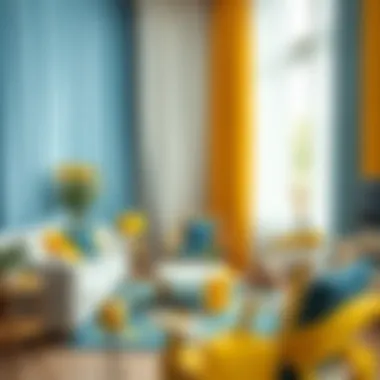
Choosing the material for your curtains can set the tone for the entire room. Whether you opt for the natural warmth of cotton or the sleek modernity of synthetic fabrics can influence how your curtains interact with light and reflect your personal style.
Cotton vs. Synthetic Fabrics
Cotton is a tried-and-true fabric, known for its breathability and soft texture. It brings a cozy vibe to spaces, making rooms feel welcoming. Its ability to drape nicely adds a touch of elegance that synthetic fabrics often can’t match. However, cotton does have its downsides. It might fade over time if placed in direct sunlight, which can alter the color harmony you've worked so hard to achieve.
On the other hand, synthetic fabrics like polyester are champions of durability and convenience. They resist wrinkling and fading, plus they often come at a lower price point. One might say they’re a practical choice for those who want long-lasting beauty without the heavy upkeep. But they can lack the same softness and breathability found in cotton, which may affect the overall atmosphere in your room.
In essence, both materials hold their unique appeals—and your choice should align with your intended style and maintenance capacity.
Sheer and Blackout Options
When it comes to curtain types, sheer and blackout options serve distinct purposes that can significantly change how a room feels. Sheer curtains, those lovely lightweight pieces, allow abundant natural light while providing a degree of privacy. They diffuse sunlight, creating a soft, ethereal glow that can transform a dull room into a tranquil retreat.
Conversely, blackout curtains are designed to block out light completely. This feature can be a blessing in bedrooms where a good night’s sleep is a priority or in media rooms where minimized glare is essential for an immersive experience. The downside? They can sometimes be overly heavy or feel austere in lighter, playful spaces.
Ultimately, the decision between sheer and blackout curtains boils down to where you plan to use them and what your specific needs are.
Measuring for Perfect Fit
Getting the measurements right can be the difference between sheer perfection and a cumbersome eyesore. Incorrectly sized curtains can lead to a room feeling off-balance. Therefore, it’s crucial to take precise measurements of both the window and the desired fullness of the fabric. An extra inch here and an extra inch there can lead down a slippery slope of frustrating complications.
Care and Maintenance of Curtains
No one enjoys the thought of cleaning curtains—let's face it, they can be a hassle. However, understanding the care requirements of your curtain choices is key. Cotton typically requires more frequent washing, while synthetic fabrics might just need a quick wipe-down to keep them fresh. Consider how much effort you’re willing to put in when selecting the materials. Investing a bit of time now can save headaches down the line.
"Choosing the right curtains isn't just about looks; it's about aligning your fabric choices with your lifestyle."
By focusing on these practical considerations, you can select curtains that not only fit well and look delightful but also resonate with your daily life.
Showcasing Blue, Yellow, and White Together
Creating spaces that resonate with warmth, vibrancy, and calm can be a balancing act. This section dives into the importance of showcasing blue, yellow, and white together in interior design, particularly through curtains. The blending of these colors can transform an ordinary room into a lively but harmonized oasis.
When thoughtfully combined, blue brings a sense of peace, yellow injects energy and cheer, and white offers clarity and a sense of space. The task of selecting curtains in these shades is not just about aesthetics; it encapsulates the heart of interior design philosophy—transforming spaces into environments that feel good to live in.
Utilizing blue, yellow, and white curtains together can create depth, especially in open-concept spaces where one color might dominate. It's not merely a matter of picking what looks nice; it’s about understanding how these colors influence ambiance and function in various contexts. A well-curated selection of curtains can invite warmth, inspiration, and tranquility, making any area feel welcoming.
Styling Tips for a Cohesive Look
Layering Textures
Layering textures is pivotal when working with blue, yellow, and white curtains. This approach involves combining different fabric types, such as soft cotton, sheer linen, or rich velvet, to create visual interest and depth. The key characteristic of layering is its capability to enhance the sensory experience within a room. By using two or more textures, designers create a tactile feast that draws one's attention. It’s a popular choice because it not only looks appealing but also gives the illusion of a richer, more sophisticated space.
For instance, employing a smooth blue linen curtain as a base layer complements sheer yellow drapes beautifully, creating a dynamic interplay between light and color. This technique echoes the palette’s color harmony while enhancing the overall aesthetic appeal. The recognition of your space's nuances through layered textures can elevate the curtain's visual impact.
However, one must remain cautious. Too many textures can create chaos rather than cohesion. It is vital to strike a balance.
Mixing Patterns
Mixing patterns is another effective technique in showcasing blue, yellow, and white together. This entails combining patterned curtains in these colors with solid ones or contrasting prints, which can invigorate a room's atmosphere. The beauty of mixing patterns lies in its ability to create a lively space full of character and charm. A striking floral yellow print against a subtle blue backdrop can add vibrancy without overwhelming the senses.
Such a choice is beneficial as it presents an opportunity for expression. It can echo personal style while inviting dynamic energy into the room. For instance, pairing a bold striped blue curtain with soft, geometric yellow ones can spark curiosity and engagement within the living space.


Yet, caution is warranted here as well. Mismanagement of pattern scales—overly bold prints with lesser ones—can clash and disrupt the visual flow. As such, it’s crucial to ensure patterns harmonize rather than compete.
Examples of Successful Integrations
To visualize the potential of these color combinations, consider a few real-world scenarios where blue, yellow, and white curtains shine:
- A Sunlit Living Room: In a sun-drenched living room, a set of cream-colored walls can be enhanced with white sheer curtains, allowing natural light to flood in freely. Add blue velvet accent curtains on the sides for that touch of elegance, while pops of yellow in throw pillows or rugs create a cheerful focal point.
- A Tranquil Bedroom: Pairing pastel blue curtains with delicate yellow floral patterns can create a serene atmosphere conducive to relaxation. White bedding can serve as a grounding element, ensuring the space remains calming rather than chaotic.
- An Inviting Dining Area: For a dining space, choose bold yellow curtains adorned with subtle blue geometric patterns. The contrasting white table setting can anchor the design, creating a cohesive and stylish environment for gatherings.
Through these examples, it's evident that the interplay of blue, yellow, and white can lead to successful interior integrations that resonate with warmth and vibrancy.
Transforming Spaces with Curtains
Curtains serve a purpose that runs deeper than merely blocking out light or affording privacy. They are, in fact, pivotal elements that can completely transform the aesthetic quality of an interior space. This article digs into the various dimensions of how curtains act as agents of change within the home. By incorporating colors like blue, yellow, and white, curtains do not just frame a window; they create a dialogue within the room, elevating both style and function.
In a world where spaces are often designed with the goal of efficiency, curtains remind us of the importance of emotional resonance in our environments. Soft drapery can invite warmth or evoke serenity, while bold patterns can infuse energy. The color choice adds a layer of meaning in the design narrative, acting either as a statement of boldness or a whisper of minimalism, depending on the desired outcome. Thus, understanding how to use these textiles effectively is imperative for homeowners, designers, and anyone interested in making a lasting impact with their living spaces.
Using Curtains to Define Areas
One of the remarkable aspects of curtains is their ability to delineate different areas within the home, especially in open-plan layouts. Rather than erecting physical barriers, which can disrupt the flow and warmth of a space, curtains offer a softer solution. For instance, draping curtains between the living and dining areas can subtly guide movement and enhance the sense of privacy without entirely shutting off the spaces from one another. This technique can also be particularly useful in studio apartments where fluidity often clashes with the need for distinct functionality.
Incorporating Curtains in Various Rooms
Living Room
The living room is often the heart of a home, a space meant for gathering and relaxation. Choosing curtains in hues of blue can evoke a sense of calm, making it a excellent choice for this particular area. The beauty of blue curtains lies in their versatility: they can complement a variety of decor styles, from traditional to modern. The unique feature of a living room is its dynamic nature—it may play host to both casual lounging and more formal entertaining.
One advantage of blue curtains in a living room is their ability to transform daylight into a soothing ambiance as the sun sets. However, a downside may be if the shade is too dark, which can make the room feel confined. Careful selection of the shade of blue—whether a pastel or navy—can significantly affect the overall vibe. Bright accents in furnishings, like yellow or white, can create striking contrast and balance in this lively space.
Bedroom
When it comes to bedrooms, the aim is typically comfort and relaxation. Yellow can function beautifully in this context, radiating warmth and cheer. Light, sheer yellow curtains drawn across the window can mimic sunlight, enhancing the comforting feeling that many seek when prepping for sleep. This color choice sets a positive tone for the day ahead and can promote feelings of joy as one wakes.
However, it’s important to consider the unique feature of a bedroom, which is often its requirement for dark environments for quality sleep. Incorporating blackout curtains in a subtle yellow tone can provide the best of both worlds—retaining the cheerful essence while allowing for light control. The challenge here is ensuring the yellow shade does not overpower the space, perhaps by pairing with cool whites or calming blues in bedding or decor elements.
Dining Area
The dining area is where memories are created, and therefore, an inviting atmosphere is paramount. White curtains can bring a sense of purity and sophistication to the table. Not only do they filter light beautifully, but they also help visually expand a room, fostering an open and airy feeling which is often desirable during mealtime. The unique aspect of a dining area is its function as a social hub, where guests gather and converse.
The upside to white curtains is their neutral nature, which allows for ample versatility in decor—whether paired with a colorful table setting or simple, understated accessories. One consideration, however, is that white can show dirt and stains more readily, necessitating more frequent cleaning. Yet, the clarity and brightness that white curtains can bring to a dining space often outweigh the maintenance requirements, making them a popular choice for many homeowners.
As this section illustrates, utilizing curtains in various rooms is not just about aesthetics but also involves understanding how to enhance the unique functions of each space. Whether it’s the calming blue in the living room, the warm yellow in the bedroom, or the inviting white in the dining area, curtains can unify a home’s interior while offering diverse expressions of style.
Exploring Trends in Curtain Design
The landscape of interior design is continuously shifting, influenced by changes in technology, taste, and environment. When we zero in on curtains specifically, trends reveal much not just about aesthetics, but also about broader values and preferences in home design. The inclusion of breathable materials, innovative functionalities, and intricate patterns speaks volumes about our collective consciousness regarding comfort, style, and responsibility. Such trends, particularly around blue, yellow, and white curtains, reflect a shift toward more mindful choices, a theme that resonates throughout this article.
As homeowners and designers navigate the evolving trends, it’s crucial to recognize the significance of selecting curtains that not only elevate the visual interest of a space but also align with contemporary values. The way curtains harmonize color palettes in various rooms is vital. They should blend seamlessly with existing furnishings and wall colors to create coherence and unity in design. If a home’s aesthetic leans toward a more sustainable or technologically advanced approach, the curtain choices made will echo this throughout.
Sustainability in Fabric Choices
In a realm where eco-consciousness is becoming a requisite rather than an option, sustainability in fabric choices has gained considerable traction. When selecting curtains in shades such as blue, yellow, and white, it is increasingly important to consider the materials from which they are made. Fabrics like organic cotton, linen, and recycled polyester are leading the charge toward environmentally friendly options. This is not just about reducing carbon footprints; it’s about making choices that impact health and comfort.
Moreover, curtains fabricated from sustainable materials often boast a longer lifespan, which is a significant benefit. Investing in durable curtains means that they will not only stand the test of time but also minimize waste in landfills. Homeowners can find joy and pride in knowing their decorations support a healthier planet. To make an informed decision, one can look for certifications like OEKO-TEX or GOTS that signal environmental consideration, thereby enhancing the overall value of any curtain choice.
"Sustainable choices today lead to a brighter tomorrow for our living spaces."
Emergence of Smart Textiles
The advent of technology has ushered in a new era in curtain design – the use of smart textiles. This cutting-edge trend is reshaping how we interact with our living spaces. Smart curtains now come equipped with various functionalities such as adjusting automatically based on light levels or even controlling temperature, contributing to energy efficiency. Imagine blue curtains that can darken a sunny room during the hottest part of the day or yellow drapes that reflect light to brighten a dim corner. Not only does this form a dynamic relationship between the curtain and its surroundings, but it also provides a level of convenience and adaptability rarely seen before.
The aesthetic impact of these smart textiles is significant, too. Integrating technology into traditional textile design allows homeowners to enjoy the aesthetic allure of blue, yellow, and white curtains while also benefiting from modern innovations. While they may come at a premium cost, the long-term savings on energy bills, combined with the enhanced comfort and privacy, often make them a worthy investment. As this trend continues, it becomes clear that future designs will incorporate even more intelligent functions, effectively blending beauty with utility.