Tall Outdoor Plant Containers: Enhance Your Space
Intro
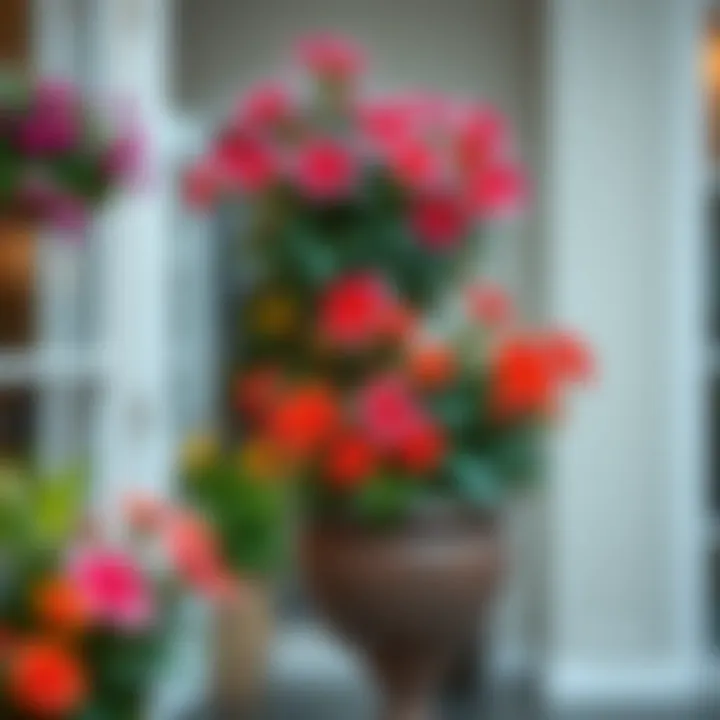
In a world where outdoor aesthetics play a pivotal role in how we perceive our environments, tall outdoor plant containers stand out as versatile and functional treasures. As more homeowners and designers seek to create unique landscapes that breathe life into their spaces, these containers serve not only as a home for plants but also as essential design elements. Tall containers can be seen adorning patios, balconies, and gardens, creating visual lines that draw the eye upwards, and thus adding depth to otherwise flat areas.
Understanding the different styles, materials, and planting techniques can greatly enhance the appeal of these containers. This guide will unfold the various ways to utilize them, ensuring that both novice gardeners and seasoned landscape designers find valuable insights. From selecting the right plants to choosing the ideal materials, every detail plays a crucial role in not just promoting healthy growth but also in crafting a harmonious outdoor space.
As we delve into the intricate relationship between tall outdoor plant containers and contemporary landscaping, anticipate discovering not just practical tips, but an in-depth exploration that will empower you to elevate your outdoor design game.
Furniture Styles and Trends
Modern vs. Traditional: Understanding the Aesthetics
Tall outdoor plant containers come in a tapestry of styles, each resonating differently with the surrounding environment.
- Modern designs often showcase clean lines and minimalist aesthetics. Materials like fiberglass, metal, and sleek ceramics are prominent choices. These containers can often be found in neutral tones or bold, vibrant colors, making them ideal for contemporary settings. The focus here is on simplicity and elegance.
- Traditional styles, on the other hand, frequently embrace ornate details, using materials like terracotta or rustic stone. These designs harken back to classic European gardens, boasting rich textures and finishes that enhance their vintage charm. Such containers often blend seamlessly into cottage gardens or historical homes.
Understanding these categories helps in curating a collection that complements your existing outdoor furniture and architectural style. When selecting your containers, consider the overall theme of your space, ensuring harmony.
Color and Material Trends: What's In and What's Out
The trends in color and materials can shift like the wind, but once you tune into what's trending, it becomes easier to elevate your outdoor design. Currently, certain color palettes and materials are taking the spotlight:
- Earthy tones like terracotta, slate gray, and deep greens reflect a natural aesthetic, often making them the go-to choice for sustainability-minded homeowners.
- Bright, bold colors, conversely, are still in play, especially in urban environments, where a pop of color can enliven the space. Think of an electric blue or sunny yellow container against green foliage.
- Materials are also a consideration. While terracotta and ceramic have long been favorites, newer options such as recycled composites, durable resins, and eco-friendly materials are gaining traction.
Investing in quality materials not only enhances durability but also reduces the need for frequent replacements, thus serving both style and sustainability.
When selecting containers, consider how well they will withstand the elements—be it sun, rain, or snow—as this can affect both their longevity and the health of the plants within them.
With these key insights, homeowners, designers, and enthusiasts can begin to craft beautifully curated outdoor spaces using tall plant containers that not only elevate their environment but also reflect their personal styles.
Intro to Tall Outdoor Plant Containers
Tall outdoor plant containers are not just functionally beneficial but also strikingly aesthetic, weaving a rich tapestry in outdoor settings. They offer a unique opportunity to elevate garden design, injecting verticality and depth into flat landscapes. This article will explore various aspects of these garden essentials, shedding light on their importance and versatility.
Defining Tall Outdoor Plant Containers
Tall outdoor plant containers come in various shapes and sizes, typically standing higher than typical pots, allowing for greater plant variety and design options. These can generally be classified as any planter exceeding 20 inches in height, providing gardeners and decorators alike with a platform to showcase vibrant plants.
Whether made of metals, ceramics, or fiberglass, these containers can dramatically alter the perception of space, drawing the eye upward and creating a focal point.
Benefits of Using Tall Outdoor Plant Containers
- Aesthetic Appeal: Their height adds dimension, making landscapes more interesting and layered.
- Space Management: Ideal for small yards or patios, they utilize vertical space effectively.
- Plant Variety: Tall containers can accommodate larger plants and small trees, offering flexibility in design.
- Ease of Mobility: Many containers come with wheels, allowing easy repositioning according to seasonal changes or personal preferences.
Historical Context and Evolution
Understanding the historical context of tall outdoor plant containers helps appreciate their evolution. Ancient civilizations utilized plants in their architecture, not just for beauty but for symbolism. The Greeks and Romans often placed grand planters at entrances of homes, while during the Renaissance, towering herbaceous plants became a status symbol among the affluent.
In more recent times, with the rise of urban living, these planters have been redesigned to embrace the minimalist and functional designs dictated by modern sensibilities. The transition from purely functional pieces to decorative statements marks significant evolution in design philosophy.
Today, tall outdoor containers are seen in gardens, on balconies, patios, and in public spaces, adapting continuously to meet the aesthetic and functional requirements of contemporary society. They represent intersection between art and nature, enabling a seamless blend of urban design with greenery.
"The nature of our environment dictates its form and use, rendering tall outdoor plant containers a bridge between architectural beauty and our innate need for nature."
As we dive deeper into this guide, we will analyze styles, materials, and various placement strategies tailored for diverse gardening needs. This holistic approach aims to provide essential knowledge that empowers homeowners and designers alike to curate beautiful outdoor spaces using tall plant containers.
Benefits of Using Tall Outdoor Plant Containers
Tall outdoor plant containers serve not only as vessels for greenery but also as significant elements in enhancing outdoor aesthetics and functionality. Various advantages arise from utilizing these containers, making them increasingly popular among homeowners and landscape designers alike. Understanding the benefits is essential, as it helps in making informed choices that can transform outdoor spaces.
Enhanced Aesthetics and Visual Appeal
When it comes to creating a visually striking outdoor setting, tall plant containers can serve as stunning focal points. Their vertical stature allows plants to stand out, making the greenery more prominent against backdrops like patio walls or fences. A beautifully arranged tall container can catch the eye and invite admiration from guests or passersby. Furthermore, these containers often come in diverse designs, colors, and materials, allowing for creativity in landscaping.
Think of how sleek and modern a tall fiberglass planter can look, or how rustic a terracotta pot would complement a garden path. It’s all about balance and harmony in design. Pairing tall containers with trailing plants can create a lush cascade effect, further adding depth and interest.
"A well-placed tall container can elevate an ordinary space into something extraordinary."
Space Optimization in Landscaping
In urban or compact spaces, maximizing every square inch is crucial. Tall outdoor plant containers are excellent for optimizing landscaping in small areas. By leveraging vertical space, these containers allow for more planting options without sacrificing floor space. For instance, a single tall planter may replace multiple small pots, leading to a more cohesive and organized appearance.
Additionally, this optimization can provide a strategic advantage in layout. Placing a tall planter at a corner can draw the eye upward, making the area feel more open and spacious rather than cluttered. Using height effectively can create layers of visual interest while maintaining clear walkways and access points in gardens and patios.
Mobility and Versatility
One of the most practical benefits of tall outdoor plant containers is their mobility. Unlike traditional garden beds, these containers can be easily relocated to various spots, allowing for seasonal changes in aesthetics or rethinking of design layouts.
For gardeners who often change their planting schemes, having mobility means they can adjust the positioning of plants based on the sun's movement, or simply to refresh the layout. Additionally, tall planters can be utilized in various contexts; they can serve as barriers on a balcony or privacy screens in a small backyard.
Overall, the versatility that tall containers offer is invaluable. Whether indoors or outdoors, they can easily adapt to setting changes, making them a practical choice for dynamic spaces.
Incorporating tall outdoor plant containers into your outdoor spaces is a wise choice for any plant enthusiast, designer, or homeowner looking to enhance their environment. Not only do they offer aesthetic appeal, but they also optimize space while presenting the practical advantage of mobility.
Materials Used in Tall Outdoor Plant Containers
When it comes to tall outdoor plant containers, the choice of material is crucial not only for aesthetics but also for functionality. The right material can influence the container's durability, weight, thermal properties, and ability to retain moisture and nutrients. Understanding the various materials serves as a foundational step for homeowners and designers, guiding them toward the optimal choices for their outdoor spaces. Below, we'll explore three primary materials: ceramic, fiberglass, and metal or wood, each offering distinct advantages and considerations.
Ceramic and Terracotta Options
Ceramic and terracotta containers have a long-standing place in gardening culture, harkening back to ancient civilizations. Their rustic charm evokes a sense of warmth and earthiness, adding character to any outdoor setup.
- Aesthetic Appeal: These materials come in various glazes and finishes, which can complement any garden style, from bohemian to ultra-modern. Their ability to retain color over the years is appealing to those who dislike frequent replacements.
- Porosity and Moisture Management: Terracotta's porous nature allows air and moisture to pass through, which can benefit plant roots. This property, however, demands careful attention to watering, as it might require more frequent hydration than non-porous materials.
- Weight Considerations: On a practical note, ceramic and terracotta are typically heavier, making them less susceptible to being blown over in windy conditions. However, their heft can pose challenges for relocation.
In summary, while ceramic and terracotta options provide striking aesthetics and natural moisture management, users should consider the additional weight and watering needs associated with these materials.
Fiberglass and Resin Materials
In contrast to traditional options, fiberglass and resin have surged in popularity among those looking for innovation and durability. These materials present a modern solution for tall outdoor containers, tailored for both enthusiasts and novices.
- Durability: Fiberglass and resin are incredibly resilient against the elements. They don't crack or fade easily, making them a wise long-term investment for those who want their containers to endure various seasonal challenges.
- Lightweight: One big advantage of these materials is their light weight, allowing for easier repositioning without sacrificing stability. This mobility is quite handy for arranging plants or adjusting aesthetics throughout the year.
- Versatility in Design: Manufacturers produce these materials in a multitude of shapes and colors, enabling creative freedom. Whether one desires a sleek, contemporary look or a more intricate design, there’s likely a fiberglass or resin option that fits the bill.
Ultimately, fiberglass and resin containers merge longevity with a broad range of designs; they are particularly suited for practitioners who prefer low-maintenance solutions.
Metal and Wood Choices
Lastly, we turn our attention to metal and wood, two materials that bring their unique qualities to tall outdoor plant containers. While they diverge significantly in texture and ambiance, both can transform an outdoor space into a botanical sanctuary.
Metal Containers
- Industrial Charm: Metal containers, crafted from materials like stainless steel or aluminum, lend an edgy, contemporary flair to gardens and patios. They are ideal for urban settings and can be treated to prevent rust, ensuring longevity.
- Heat Retention: Metal retains heat, which can benefit certain plant types during cooler months. Nevertheless, one must be mindful of soil temperature since some plants prefer cooler roots.
Wood Containers
- Natural Warmth: Wood brings an organic vibe that blends beautifully into natural surroundings. Cedar and redwood are favored for their resistance to decay, while painted options can add a splash of color.
- Environmental Considerations: Wooden containers are often biodegradable, providing an eco-friendlier choice. Proper sealing and maintenance, however, are essential to prolong their life and prevent rot.
Design Styles of Tall Outdoor Plant Containers
The design of tall outdoor plant containers is not just a matter of aesthetics; it plays a crucial role in how outdoor spaces are perceived and utilized. The style you choose can make or break the overall look of your landscape or garden. Considerations such as the materials used, the architectural style of the home, and the plants being displayed all intertwine to create a harmonious or contrasting effect.
Moreover, selecting the appropriate design style allows homeowners and designers to express personal taste and enhance the emotional response evoked by the garden. Whether you prefer something sleek and modern or cozy yet rustic, the design choices made can also influence the functionality of the space.
Each style presents its own set of benefits and considerations, which we will explore further.
Modern and Minimalist Aesthetic
A trend that resonates with many in today’s fast-paced world is the modern and minimalist aesthetic. This style embraces simplicity and clean lines, making it a favorite for urban settings. Tall containers made from sleek materials, like fiberglass or powder-coated metal, often highlight the beauty of the plants themselves without overwhelming them.
Key attributes include:
- Neutral Colors: Whites, blacks, and greys dominate the palette, allowing for versatility in pairing with various plant types.
- Geometric Shapes: Rectangular or cylindrical forms can create striking visual interest while maintaining balance.
- Low Maintenance: Many modern materials are built to withstand the elements, reducing upkeep and allowing for a more carefree gardening experience.
Choosing this style is advantageous for small spaces. A minimalist design can make an area feel larger by eliminating visual clutter, creating a serene and spacious feel.
Rustic and Traditional Styles
On the flip side, rustic and traditional styles bring a warmth that can make outdoor areas feel inviting. These containers often reminisce of bygone eras, frequently made from natural materials like terracotta or reclaimed wood. Incorporating these styles can evoke nostalgic feelings and create a charming garden ambiance.
Consider the following features:
- Earthy Tones: This style utilizes rich browns, greens, and rust colors, blending seamlessly with nature.
- Ornate Details: Engravings, intricate patterns, or aged finishes can add character and tell a story.
- Complementary Plants: Ideal plant choices include herbs, heirloom varieties, or flowering plants that flourish in a rustic setting.
While this style tends to be heavier and more permanent, the right placement can create a sense of coziness, effectively connecting outdoor spaces with natural surroundings.
Eclectic and Artistic Variations
If your taste strays towards the unique and unconventional, consider the eclectic and artistic variations of tall outdoor containers. This design champions creativity, mixing materials, colors, and styles in a way that feels spontaneous yet curated.
Characteristics to note include:
- Diverse Materials: Sculptural concrete, vibrant ceramic, and whimsical recycled items can all find a place in a carefully crafted display.
- Bold Colors: Using bright or contrasting colors can turn an ordinary garden into a vivid tapestry.
- Layered Textures: Combining smooth, rough, matte, and glossy surfaces creates visual interest and depth.
An eclectic design allows for personal expression, reflecting the owner's personality while challenging traditional design norms.
This approach works wonders in creating conversation pieces in gardens and public spaces alike. Adopting an artistic style not only challenges norms but also allows one to experiment, encouraging out-of-the-box thinking.
In summary, the styles of tall outdoor plant containers range from modern, minimalistic approaches emphasizing simplicity to rustic and traditional designs that evoke a sense of history and warmth. Eclectic variations serve as a canvas for personal expression. With careful selection of styles, any outdoor area can be transformed into a visual and emotional oasis.
Plant Selection for Tall Outdoor Containers
Selecting the right plants for tall outdoor containers is a crucial aspect of landscaping that can make or break your garden’s visual appeal. This choice isn’t just about aesthetics; it also impacts the health and growth of your plants. When incorporating tall containers into your outdoor design, one must consider a variety of elements such as the plant's growth habits, environmental needs, and compatibility with the container's physical characteristics.
Choosing the Right Plants
When choosing plants for tall outdoor containers, you have to think about several factors. Light requirements are at the top of the list; understanding how much sunlight a specific plant needs is essential. For example, succulents often thrive in bright light, yet many ferns prefer partial shade. Despite the abundance of options, not all will thrive in your specific environment.
Another key element is the water requirements of the plants. Ensure they have similar preferences to avoid overwatering or underwatering. It’s also worth considering size and growth patterns; plants that grow tall and bushy can create a lush look, while trailing plants can add softness and dimension.
Perennials versus Annuals
When it comes to plant selection, deciding between perennials and annuals can greatly influence the maintenance and longevity of your outdoor space. Perennials return year after year, which means they provide long-term beauty and reduce the need for replanting each season. These plants are often more sustainable and can adapt better to their environment over time. Classics like lavender or ornamental grasses can stand in tall containers and also offer a fragrant appeal.
On the other hand, annuals bring vibrancy and variety to your container design each year. They are usually more colorful and allow for seasonal changes in your garden's appearance. However, because they die off at the end of their growing season, they require more effort in terms of planting each year. Mixing the two can provide both stability and vivid color throughout the seasons.
Seasonal Considerations for Planting
Adapting your plant selection to the seasons can vastly improve your container gardening success. In the spring, vibrant flowers such as petunias and geraniums can bring life to your garden. During summer, colorful annuals and heat-tolerant plants like zinnias or vincas take center stage. As the fall approaches, consider introducing chrysanthemums or ornamental kale for a seasonal touch. In winter, it’s often best to use evergreen plants or branches that can withstand colder temperatures, providing a sturdy look even in the harshest conditions.
Tip: Combining plants that bloom at different times of the year can ensure your tall containers remain appealing and lively, no matter the season.
In summary, careful selection of plants is vital for tall outdoor containers, as it ensures that your space remains vibrant, healthy, and visually striking all year long. Consider the plant's needs and your local environment to create a thriving sanctuary right on your patio or balcony.
Arranging Plants in Tall Containers
Arranging plants in tall outdoor containers is more than just a chore—it's an art form and a science rolled into one. In this section, we delve into why the arrangement of plants matters and how to achieve stunning displays that enhance your outdoor spaces. From visual dynamics to plant health, the way plants are arranged can drastically influence the overall aesthetic and functionality of a container garden.
Layering and Height Variation
Layering plants introduces depth and creates an appealing visual interest, allowing for a lush and vibrant display. Tall containers provide the perfect canvas for showcasing this technique. When selecting plants, consider using a mix of tall, medium-height, and trailing varieties. For example, in a tall planter, you could place a colorful dahlia or sunflower at the back, with medium-height hisbiscus in the center, and cascading sweet potato vine spilling over the edge. This creates a tiered effect, drawing the eye upward and then outward, which is pleasing.
Additionally, the concept of height variation is key. It allows each plant to shine in its own right, giving a structured chaos that thrives in nature. When designed well, the taller plants can steal the spotlight without overshadowing their shorter neighbors.
Color Theory in Plant Arrangements
Utilizing color theory in plant arrangements can elevate the visual experience of tall outdoor containers significantly. Understanding color relationships—whether they are complementary, contrasting, or analogous—helps in crafting arrangements that are visually striking and harmonious.
For instance, planting purple petunias alongside vibrant yellow marigolds creates an eye-catching contrast that can energize any space. On the contrary, greens and whites together may evoke a calming effect, ideal for relaxation spots in your garden. Think about seasonal colors as well—bold oranges and vibrant reds in the summer can translate into softer pinks and whites in spring. When selecting plants, keep in mind their bloom times and avoid pairing varieties that clash.
Creating Focal Points
A focal point is crucial in landscape design, and tall outdoor containers can serve as divine accents. Whether it's a striking plant or an attractive container, ensuring that your arrangement has a focal point lets the eye know where to land amidst the greenery. One technique to accomplish this is by using single standout pieces, such as a large palm or a brightly colored flowering plant at the center.
Alternatively, you can create visual pathways leading to the focal point, achieved through strategic plant placement and height variety. Think of your container like a stage, where one main star is highlighted with supporting acts around it. This not only draws attention but provides balance and harmony within the arrangement.
Maintenance of Tall Outdoor Plant Containers
Maintaining tall outdoor plant containers is essential for keeping your plants healthy and ensuring they thrive throughout the growing season. Each container requires specific attention that goes beyond mere watering. Understanding these practices not only prolongs the life of your plants but also elevates the aesthetic quality of your outdoor spaces. A well-maintained container enhances its visual appeal while providing a suitable environment for the plants inside.
Watering Practices and Requirements
Watering is perhaps the most critical aspect of maintaining tall outdoor plant containers. Unlike traditional planting beds, containers have limited soil volume, which can dry out quicker.
- Observing Soil Moisture: Always check the moisture level of the soil before watering. Stick your finger into the soil about an inch deep. If it feels dry, it's time to water. Overwatering can lead to root rot, while underwatering contributes to wilting and stunted growth.
- Watering Technique: When you water, do so deeply but infrequently. This encourages root systems to grow deeper into the soil, establishing a more resilient plant. Water at the base of the plant to avoid splashing leaves, which can promote fungal diseases.
- Seasonal Adjustments: During summer months, the need for watering increases as containers lose moisture faster. In winter, especially in colder climates, plants may require even less water due to lower evaporation rates.
"Proper watering is crucial; a little attention goes a long way in ensuring your plants flourish."
Fertilization and Nutrient Management
Fertilization is vital for tall outdoor containers, as the limited soil volume means nutrients can be depleted quickly. Regularly replenishing these nutrients keeps your plants strong and vibrant.
- Types of Fertilizers: Consider using slow-release fertilizers that provide nutrients over an extended period. This reduces the frequency at which you need to fertilize. For an immediate boost, liquid fertilizers can also be helpful.
- Nutrient Needs: Different plants have different nutrient requirements. For instance, flowering plants often benefit from higher phosphorus levels, while leafy plants thrive on nitrogen-rich fertilizers.
- Application Schedule: Schedule fertilizer applications based on the growing season. Early spring is a good time to start, but adjust as needed while observing how your plants respond.
Pest Control and Prevention
Pests can be a significant challenge when it comes to maintaining tall outdoor plant containers. Vigilance and preventive measures can help safeguard your plants from potential infestations before they wreak havoc.
- Regular Inspections: Take time to inspect your plants regularly for signs of pests, such as discolored leaves or visible insects. Early detection can save you a lot of trouble down the road.
- Organic Solutions: Instead of reaching for harsh chemicals, consider using organic pest control solutions like neem oil or insecticidal soap. These options are often safer for the environment and won't disturb beneficial insects.
- Preventive Measures: Some simple steps can minimize pest problems. For example, maintaining cleanliness around your containers, removing dead leaves, and rotating plant varieties each season can disrupt pest life cycles.
Maintaining tall outdoor plant containers requires a commitment to understanding the unique needs of both the plants and the environment. With appropriate watering, fertilization, and pest management, the vibrant beauty of your garden can be sustained season after season.
Seasonal Care for Tall Outdoor Containers
Seasonal care is fundamental to the health and vibrancy of tall outdoor plant containers. The changing seasons bring a variety of challenges and opportunities that can significantly impact the condition of your plants. Understanding these variations allows homeowners and design enthusiasts alike to curate an environment that not only fosters growth but also maintains the visual appeal of the landscape. Each season demands unique strategies that help in sustaining the health of the plants and optimizing the stylistic intention of tall containers.
Preparing for Winter
As the frost begins to bite, it's essential to ready your tall outdoor plant containers for the colder months. First off, assessing the plants within is key. Tender perennials and annuals won’t survive the harsh elements. It's best to either move these indoors or find a sheltered spot that offers somewhat of a buffer against the wind and snow. Making sure pots are properly insulated—or even wrapping them with materials such as burlap—can help prevent the roots from freezing.
Another consideration is to minimize watering. With lower temperatures and decreased sunlight, the plant's water requirements diminish substantially. Waterlogged soil can freeze and damage the root systems. Be mindful of ensuring drainage holes remain clear, as standing water can lead to root rot even in winter.
"Each season brings its own set of challenges; preparedness is the name of the game."
Spring Preparation and Planting Best Practices
Spring is like a breath of fresh air after the long, frost-bitten months. With warmer temperatures returning, it’s time to clean up your tall outdoor containers to prepare them for new growth. This is where soil hygiene comes into play. Remove any dead foliage or lingering debris that could stimulate pests or plant diseases. Replacing old soil with fresh potting mix not only ensures better drainage and aeration but also provides nutrients vital for healthy plant growth.
For those looking to introduce new plants, consider the climate when choosing species. A mix of colorful annuals and robust perennials can create a vibrant display. It's advisable to plant according to height and texture for a layered effect that captivates the eye. And while the urge to water may arise with the arrival of warmer days, a check of the soil's moisture content will help ensure you’re not overdoing it—newly planted life can be quite sensitive.
Summer Care Techniques
As summer rolls in with its blazing sun and vibrant life, tall outdoor plant containers require attentive care. Take note of the watering practices during this time; containers can dry out faster than garden beds due to heat. It's advisable to water deeply and less frequently, encouraging roots to grow further into the soil rather than remaining surface-dependent.
Fertilizing becomes crucial during the summer. Opt for a slow-release fertilizer to maintain consistent nutrients. Monitoring the health of your plants, watch for any signs of distress or pest infestations, which can escalate quickly in the warm climate. Removing spent flowers and dead leaves will not only enhance the aesthetic appeal but also encourage new growth and blooms.
Fall Cleanup and Transitioning
As summer gives way to autumn, it’s time to prep your tall outdoor containers for the imminent winter. The key here is a thorough cleanup. Remove any dying plants or foliage that can attract pests which might linger over the winter. Furthermore, cutting back perennials will enhance their rebound when the time comes.
You may consider bringing tender plants indoors if space permits, but for tough varieties that can withstand chill, mulching may offer some insulation against the upcoming cold.
Also, a quick inspection of your containers for any wear and damage is wise. When summer decorations are removed, think about integrating fall themes, using gourds, or seasonal flowers that can offer a transitional display leading into winter.
Placement Strategies for Tall Outdoor Containers
When it comes to incorporating tall outdoor plant containers into your garden or patio, placement is everything. The right location can significantly enhance the growth of your plants and also influence the overall aesthetic appeal of your space. Understanding how the position of your containers affects sunlight exposure, visibility, and interaction with surrounding elements helps you make informed decisions, ensuring your plants thrive while contributing to a visually appealing landscape.
Considering Sunlight and Shade
Sunlight or shade; that’s the first question you need to ask when it comes to placing your tall outdoor plant containers. It's essential to recognize that different plants have varying light requirements. Some thrive in full sun, while others prefer the gentle caress of shade. By observing your outdoor space throughout the day, you can identify which areas bask in sunlight and which remain in shadow.
- Full Sun: If you’re looking to plant sun-worshipping species such as succulents or tropical plants, position your containers where they receive at least 6 hours of direct sunlight daily. This not only keeps the plants happy but also creates great visual appeal.
- Partial Shade: For those plants that like a break from the sun, such as certain ferns or shade-loving perennial flowers, you’d want to set your containers under larger trees or a well-placed canopy. This balance minimizes stress on the plants while allowing them to flourish.
"A well-placed plant can change the face of your garden—make sure it’s facing the best light."
It’s also worth noting that some plants can adapt better than others. Doing a little research about the specific plants you wish to grow can save you a lot of time, effort, and potentially money.
Choosing the Right Location
Beyond sunlight considerations, the actual location of your tall outdoor containers plays a crucial role in overall garden design and functionality.
- Accessibility: Ensure that the containers are in easy reach for watering, trimming, or simply admiring your work. It’s frustrating when your hard work isn’t easily visible or reachable, especially when plants need some TLC.
- Visual Balance: Think about the overall look of your garden. Are there any areas that seem sparse or need a focal point? Tall containers can draw the eye, so place them strategically to lead the gaze through the landscape.
- Wind Protection: Consider the effects of wind on your plants. If you live in a breezy area, placing containers near a wall or among other plants can shield them from harsh conditions. Tall containers can become top-heavy, and a gust of strong wind can easily knock them over.
- Garden Theme: Match the container location with the overall theme of your outdoor space. For example, if you have a modern garden, aligning sleek, tall containers in straight lines can enhance that minimalist feel. If your garden leans more toward a rustic style, clustering containers in a mismatched array can create charm and coziness.
By combining an understanding of light and the strategic selection of locations, you can significantly enhance both the health of your plants and the beauty of your outdoor space. Implementing these placement strategies ensures a seamless blend of function and design, making your tall outdoor plant containers a focal point rather than an afterthought.
Innovative Trends in Tall Outdoor Plant Containers
In today's ever-evolving landscape design world, tall outdoor plant containers present innovative trends that both catch the eye and fulfill practical needs. Homeowners and designers alike are increasingly recognizing the pivotal role these containers play in blending style with functionality. Innovations range from smart tech integrations to sustainable materials that speak volumes about modern gardening's connection to environment. Breaking down these trends, we can appreciate their relevance not just in aesthetic appeal but also in enhancing urban livability.
Smart Planters and Technology Integration
The rise of smart planters marks a significant leap forward in how we approach container gardening. These high-tech solutions are equipped with sensors to monitor soil moisture, light conditions, and even temperature. Imagine owning a planter that sends notifications to your phone when it requires watering or tweaking the light exposure. This 'smart' capability enables even the most novice gardener to maintain their plants effortlessly.
Moreover, some smart planters can automatically adjust their watering schedules based on the local weather or the specific needs of the planted species. This integration of technology ensures that plants receive optimal care tailored to their individual requirements, significantly reducing the risk of over or under-watering.
Benefits include:
- Efficiency: Automated systems reduce the time spent on maintenance.
- Healthier Plants: By ensuring ideal growing conditions, you're more likely to enjoy lush, vibrant greenery.
- Data Tracking: The ability to visually monitor the health of your plants through apps allows for informed choices in care and plant selection.
Innovative planters, like those from Click & Grow or Parrot can help move your gardening experience into the 21st century, making it easier and more engaging.
Sustainable and Eco-Friendly Options
As the world shifts towards more eco-conscious practices, sustainable tall outdoor plant containers are gaining traction. Manufacturers are now prioritizing materials that reduce environmental impact without sacrificing style or durability. For instance, planters made from recycled plastics or natural fibers, such as jute or bamboo, not only support a circular economy but also offer unique, rustic aesthetics.
Adopting eco-friendly options includes but is not limited to:
- Recycled Materials: Utilizing waste products as raw materials lowers energy consumption during manufacturing.
- Biodegradable Planters: Some brands offer containers that break down over time, returning nutrients to the soil while eliminating waste.
- Water-Saving Technology: Many modern planters also focus on self-watering designs that provide moisture when needed without excessive water use.
Opting for sustainable choices, such as those found at EarthBox or Gardener's Supply Company, can make a tangible difference in reducing your carbon footprint while elevating your garden's aesthetic.
"Gardening is a way of showing that you believe in tomorrow." - Anonymous
By harnessing innovative trends in tall outdoor plant containers, homeowners can embrace a sustainable lifestyle while enjoying the beauty and growth of their plants. As technology intertwines with gardening, it's clear that the future of outdoor plant containers is bright, green, and teeming with possibility.
End and Future Outlook
In this rapidly changing world, the trends in landscaping and gardening continually evolve. Tall outdoor plant containers are no longer just a fleeting trend; they are a key element in modern design, especially suited for homeowners, designers, and garden enthusiasts alike. The fusion of aesthetic appeal with practical functionality places these containers at the forefront of outdoor aesthetics.
With their versatility, tall plant containers not only maximize space but can also enhance the charm of any outdoor area. They provide a fresh twist to the age-old practice of gardening, allowing for a broader range of plant choices in areas where traditional ground planting may not be feasible. The ability to reposition these containers means that homeowners can easily adapt their outdoor designs based on shifting seasons or personal tastes. Not to forget, there’s a certain satisfaction that comes from creating a dynamic garden display that evolves over time.
Recap of Key Insights
Throughout this guide, we have explored various dimensions of tall outdoor plant containers:
- Aesthetics: These containers can dramatically elevate the visual appeal of gardens, patios, and entries by introducing height and a variety of materials.
- Materials: From ceramic to metal, the choice of material impacts both the durability and visual style of plant containers, providing endless options for personalization.
- Plant Selection: Choosing the right plants is crucial, as it directly influences the health and vibrancy of the container display.
- Maintenance: Knowledge on proper care, including watering and pest management, ensures that the containers remain a point of pride, not a burden.
By understanding these key elements, readers are better equipped to make informed choices about incorporating tall plant containers into their outdoor spaces.
The Role of Tall Containers in Future Landscaping
Looking ahead, the role of tall plant containers in future landscaping is set to become more prominent. With urbanization on the rise, outdoor spaces are shrinking, making space optimization increasingly vital. Tall containers allow plants to thrive vertically, utilizing limited ground space while ensuring that nature can still be an integral part of urban living.
Furthermore, as sustainability becomes a forefront issue, the industry is seeing an uptick in eco-friendly materials used for container crafting. This aligns with the growing consumer demand for responsible gardening practices. Imagine planters made from recycled materials or those designed with intelligent irrigation systems that conserve water. These innovations not only serve aesthetic purposes but also contribute positively to the environment.
To summarize, tall outdoor plant containers are here to stay. Their ability to adapt to changing trends, optimize space, and enhance garden aesthetics positions them as pivotal players in the future of landscaping. As homeowners and designers alike continue to embrace these containers, we can expect a more dynamic and sustainable approach to creating beautiful outdoor spaces.