Overhead Wall Cabinets: Design and Trends Insights
Intro
Overhead wall cabinets are an integral part of modern interiors, merging functionality with style. Homeowners and designers often seek these cabinets not just for their storage capabilities but for their role in defining a space's aesthetic. This article aims to explore various factors surrounding overhead wall cabinets, including the latest design trends, styles, and practical applications.
Whether you're moving into a new place or reshaping an existing one, understanding the nuances of wall cabinet choices can elevate your spatial experience and functionality. Let's dive into the various styles and trends in the realm of wall cabinets, as well as some insightful tips to help them effortlessly fit into your living space.
Furniture Styles and Trends
Modern vs. Traditional: Understanding the Aesthetics
When it comes to overhead wall cabinets, one of the first decisions to be made is the style – modern or traditional. Modern cabinets often boast clean lines, minimalistic designs, and a polished finish that complements contemporary living spaces. For instance, a sleek, handle-less cabinet in a muted color can help create an airy feel, making it perfect for small kitchens.
On the flip side, traditional cabinets typically incorporate intricate detailing and rich wood tones. They bring warmth and character, reminiscent of classic craftsmanship. A dark mahogany finish with ornate carving can serve as a stunning focal point in traditional or rustic homes.
Both styles have their own charm, yet it's crucial to choose cabinets that resonate with the overall theme of your home. Ultimately, the right choice can bring harmony to your decor while adding functional benefits.
Color and Material Trends: What's In and What's Out
In recent years, the color palette seen in overhead wall cabinets has shifted. While white and beige tones have held their ground for some time, bolder colors are making waves. Deep navy blue, emerald green, and even matte black are popular choices for those who wish to make a statement. Moreover, these colors can create an eye-catching contrast with lighter walls and countertops.
As for materials, the trend is leaning towards eco-friendly options. Bamboo and reclaimed wood have gained popularity for their sustainability and unique character. Laminate surfaces also continue to be a favored choice for their durability and ease of maintenance. Notably, copper and brass hardware is trending, providing a hint of glamor to the overall look.
The choice of color and material isn’t just about looks. It resonates with a homeowner’s values, ranging from environmental consciousness to personal aesthetics.
Furniture Care and Maintenance
Tips for Prolonging the Life of Your Furniture
Taking care of overhead wall cabinets ensures they stay functional and visually appealing over time. Here are some essential tips:
- Regular Cleaning: Dust and wipe cabinets with a soft, damp cloth to prevent buildup that can ruin the finish.
- Avoid Excessive Moisture: Water can warp wood over time, so be cautious when placing items on the cabinets.
- Routine Checks: Keep an eye out for any loose hinges or squeaky doors; fixing these issues promptly can save you headaches later.
DIY Repair Hacks for Common Furniture Issues
Sometimes, wear and tear is inevitable. To tackle minor repairs:
- Swapping Handles: Rattling cabinet handles can often be fixed simply by tightening screws or replacing handles altogether.
- Touch-Up Paints: For small scratches, having matching paint can allow for quick fixes without needing to repaint entire surfaces.
- Reinforce Shelves: If shelving starts sagging, consider using shelf supports or repositioning heavier items from the center to the edges.
By integrating overhead wall cabinets into both design and function, you create more than just storage space; you enhance the overall theme and functionality of your home. Each choice reflects personal style and practical need, guiding how living spaces can become more than just places to inhabit.
To learn more about optimizing your space with wall cabinets, resources such as Wikipedia, and design-focused forums on Reddit can offer additional insights.
Understanding Overhead Wall Cabinets
Overhead wall cabinets are not merely functional storage solutions; they embody a fusion of practicality and aesthetic appeal that can drastically enhance any living space. Their significance in contemporary design cannot be overstated. These cabinets serve as essential elements, particularly in homes where maximizing vertical space is pivotal, such as smaller units or urban apartments. By taking advantage of the often-ignored areas above countertops or appliances, homeowners can cleverly increase storage capacity without encroaching on precious floor space.
From a design perspective, overhead wall cabinets offer myriad styles and finishes that can tailor a room's character to almost any preference. Whether one leans towards a minimalist modern vibe or a cozy rustic charm, finding cabinet designs that mesh with existing decor can unify a space, creating both functionality and style. However, it's vital to consider not just aesthetics, but also usability factors like access and organization when selecting overhead options.
In recent years, there’s been a noticeable trend toward smarter designs and innovations in this category. As homes grow more advanced, integrating technology into cabinetry—think LED lighting and automated features—has become increasingly common. This progression lays the groundwork for an exciting exploration of how overhead wall cabinets have evolved, why they’re indispensable, and what the future holds for these versatile elements.
Definition and Purpose
Overhead wall cabinets, often simply referred to as wall cabinets, are enclosed storage spaces mounted above eye level, typically found in kitchens, bathrooms, and living areas. The primary purpose is to maximize room organization by providing essential storage that doesn’t take up floor space. They offer homeowners the ability to store everything from dishes and cooking supplies in kitchens to toiletries and linens in bathrooms, enabling a tidy, clutter-free atmosphere.
The benefits of having overhead wall cabinets extend beyond storage solutions. They can act as decorative focal points. A well-chosen cabinet can reflect a homeowner's personality, adding color, texture, and even style to a room. Additionally, their strategic placement can enhance functionality, allowing for easy access to frequently used items while keeping the less visible ones neatly tucked away.
Historical Context
Examining the historical evolution of overhead wall cabinets reveals much about changing aesthetic trends and societal needs. In the early 20th century, kitchens were quite different from what we know today; cabinetry was often bulky and provided minimal function beyond storage. The introduction of the modern kitchen during the mid-20th century, however, marked a turning point. The emphasis shifted toward more efficient designs that catered to the needs of increasingly busy lifestyles.
Overhead wall cabinets began to adopt slimmer designs, with materials evolving from heavy woods to lighter composites, making them multifaceted in both function and form. As interior design norms changed, these cabinets began to integrate sleek lines and contemporary finishes in response to the burgeoning modernist movement.
Now, as we look at overhead wall cabinets in today’s context, they reflect a blend of innovation and heritage, carrying forward the charm of previous eras while embracing modern advances. They not only serve as crucial elements in organization but also embody the ongoing journey of home design through the years.
Types of Overhead Wall Cabinets
When it comes to optimizing space in a home, the type of overhead wall cabinet you choose is crucial. Various designs and materials not only influence the aesthetics but also impact the functionality of your living spaces. Knowing the distinction and benefits of these types can guide both homeowners and designers in making sensible choices that suit their needs.
Design Styles
Modern
The modern style of overhead wall cabinets shines particularly bright in today's home designs. Characterized by clean lines and minimal ornamentation, modern cabinets can uplift a room’s overall appearance while ensuring functionality. One of their standout aspects is their versatility; they harmonize with a myriad of decor themes. This adaptability makes them a favorable option for those who like to shift their design paradigm periodically.
However, one trade-off may be the potential lack of warmth compared to more ornate styles. Still, their sleek look often compensates for this shortcoming, showing that sometimes simplicity speaks volumes.
Traditional
On the other end of the spectrum lies the traditional style cabinetry. This style is marked by rich details, intricate moldings, and a classic sense of elegance. It is a popular choice for space where a warm, inviting atmosphere is desired, such as kitchens and dining rooms. The unique feature here is the emphasis on craftsmanship—many traditional cabinets are built from high-quality wood and boast refined finishes.
However, they can sometimes carry a heftier price tag due to their craftsmanship and materials, which might not align with a tight budget. In essence, traditional cabinets can serve as a statement piece within a room, making them a favored choice for those looking to embody a timeless aesthetic.
Rustic
The rustic design brings a charmingly unrefined essence. Often employed in homes that exude coziness and warmth—think log cabins or country homes—rustic overhead cabinets are typically made from reclaimed wood, contributing to their distinctive character. Their unique ability to tell a story through age and texture makes them a delightful addition, inviting a sense of nostalgia.
While this style can create a warm atmosphere, the challenge lies in maintaining a cohesive look within more modern spaces. Thus, it's essential to balance rustic elements with contemporary touches when integrating them into your home.
Industrial
Embracing the raw aspects of materials, the industrial style reflects an urban, edgy feel. Often characterized by metals, rough finishes, and functional designs, these cabinets suit modern lofts and creative workspaces perfectly. One significant appeal of industrial cabinets is their durability; they often withstand daily wear better than other styles.
Nevertheless, the stark and sometimes cold appearance can feel uninviting if not balanced correctly with softer decor elements. A clever mix of textures and colors can help bridge this gap, allowing for a dynamic interaction between modern life and industrial chic.
Material Choices
Wood
Wood is commonly celebrated for its beauty and durability. Its natural aesthetic is welcoming, making it a sought-after option for overhead wall cabinets. Not only does the grain pattern provide distinctive character, but wood’s versatility in finishes—stained, painted, or left natural—allows for various design directions.
However, concerns such as susceptibility to moisture and price can deter some homeowners. Regular maintenance like sealing or polishing can help mitigate these issues, ensuring longevity in your investment.
Metal
Metal cabinets, often found in contemporary homes or industrial spaces, bring a sleek, modern edge. They can complement a variety of decor styles, and if treated well, they are highly resistant to wear. Their reflective surfaces can even create an illusion of spaciousness in a smaller room.
On the flip side, metal can be prone to dings and scratches, potentially compromising the appearance over time. Therefore, these cabinets would need to be treated with care to ensure that they maintain their aesthetic appeal.
Glass
Glass front cabinets allow visibility of the contents within, inviting a certain elegance into your space. They can make a room feel airier and help showcase beautiful dishware or decorative items. The unique feature of glass cabinets is the ability to enhance the light flow, which can be particularly beneficial in smaller rooms.
However, dust and fingerprints may require more frequent cleaning compared to other materials. Thus, one has to weigh the visual appeal against the potential increase in maintenance efforts.
Composite
Composite materials, often engineered from a blend of wood fibers and resins, have ben growing in popularity. They offer a balance between durability and affordability, making them an attractive option for budget-conscious homeowners. Composite cabinets can be designed to mimic the look of traditional wood while providing resistance to warping and cracking.
Yet, their longevity may not match that of solid wood, and the chemicals used in production can sometimes raise concerns for eco-conscious users. Understanding these trade-offs is essential when considering composite options for your home.
Functional Aspects of Overhead Wall Cabinets
When it comes to overhead wall cabinets, the nuts and bolts of functionality often overshadow aesthetics. In this section, we delve into the practical capacity of these fixtures, looking at how they serve not just as decorative elements but as vital components that enhance both space and organization in various environments, be it kitchens, bathrooms, or living rooms. Understanding these functional aspects can lead to better design choices and improved living experiences.
Storage Solutions
Maximizing Space
Maximizing space is the primary aim of overhead wall cabinets. They offer an efficient way to utilize vertical space in any room, turning an often overlooked area into valuable storage. With creative designs, these cabinets can fit snugly in cramped kitchens or lengthy hallways. The key characteristic of maximizing space lies in its ability to keep floor areas open, which can make even small homes feel larger.
For instance, custom-built cabinets that extend to the ceiling allow for a plethora of items to be stored well above eye-level, saying goodbye to clutter that takes up precious counter space. However, it’s crucial to note that while these designs can enhance storage capacity, they might require stepladders for access, which can be a strain for some.
Organizational Features
In the realm of organizational features, overhead wall cabinets are a game changer. These cabinets often come with internal divisions, drawers, and shelves that help categorize and store items logically and efficiently. The hallmark of organizational features is their ability to tailor spaces according to specific needs, harmony in chaos is something often desired.
For example, including a spice rack or a pull-down shelf provides quick access to everyday items, making everyday tasks less of a chore. Yet, one must also consider the cleaning and maintenance of these features; while they enhance functionality, poorly designed dividers can lead to inaccessible clutter.
Accessibility Considerations
Accessibility considerations are paramount when selecting overhead wall cabinets. They should not only fit into the design of a room but also be reachable for all family members. A fundamental area of concern here is the height at which these cabinets are installed.
The beauty of accessibility is more than a mere aesthetic; it helps create a home environment where everyone can benefit from the organizational solutions provided. Lifting these cabinets just beyond the usual heights can make it a struggle for short individuals or those with limited reach. Thoughtful consideration around installation height and useable storage can go a long way towards achieving balance in a living space.
Safekeeping and Security
With rising concerns over household safety, the role of overhead wall cabinets as secure storage units cannot be understated. These cabinets not only hold everyday items but also provide a secure space for valuables or hazardous items like cleaning supplies or sharp objects. Investing in cabinets with locking mechanisms or those made from durable materials can bolster their importance as a safeguard in your home.
Ultimately, choosing the right overhead wall cabinets can transform functionality into a seamless and enjoyable aspect of your living space, striking a perfect balance of aesthetic appeal and practical utility.
Integration with Home écor
Integrating overhead wall cabinets with home décor is crucial to creating a harmonious living space. These cabinets are not just practical storage solutions; they play an essential role in setting the tone and ambiance of a room. By carefully considering how they blend with existing design elements, homeowners can enhance functionality while also elevating aesthetic appeal. This section explores the nuanced aspects of color selection, finishes, and overall cohesion with interior design.
Color and Finish Selection
Complementary Color Palettes
When it comes to selecting colors for overhead wall cabinets, the idea of complementary color palettes cannot be overstated. This concept revolves around using colors that sit opposite each other on the color wheel, creating striking contrasts. For example, if one opts for a rich navy cabinet, pairing it with light wood or cream accents can have a dramatic effect. The key characteristic of this approach is its ability to draw the eye, making the cabinetry a standout feature in a room.
Complementary palettes are a favored choice among designers because they add vibrancy to the environment without overwhelming it. A unique feature of this method is the play between warmth and coolness, which can induce a balanced and inviting atmosphere. However, it’s worth noting that over-saturation with highly contrasting colors can create a disjointed feel, so careful planning is necessary to avoid visual chaos.
Textural Variations
Textural variations add another layer of complexity to the selection process, enhancing not just look but touch as well. Utilizing materials with different textures—such as a smooth matte finish alongside a rough, reclaimed wood—can create visual interest and depth. This aspect is particularly relevant to those wanting to establish a tactile experience in their spaces.
Textures serve as a bridge between design elements, emphasizing certain features while softening others. The use of varied textures is popular because it can subtly dictate the mood of a room—soft materials tend to evoke warmth, while harder surfaces can impart a sleek, modern vibe. One consideration to keep in mind is that introducing too many textures can lead to cluttered design, so moderation is key.
Cohesion with Interior Design
Matching with Furniture
The principle of matching with furniture is paramount when selecting overhead wall cabinets. This concept involves finding cabinets that resonate with the style and finishes of existing furniture pieces. Whether it's a rustic farmhouse table or sleek minimalist chairs, cabinets should either complement or contrast in a way that seems intentional.
This harmony can be achieved through color, material, or even hardware choices. One major advantage of a cohesive design is the seamless transition between elements, preventing any one piece from feeling out of place. However, one challenge lies in keeping the design fresh; if everything matches too closely, there may be a lack of character in the space.
Enhancing Room Flow
Lastly, enhancing room flow is a critical element in the integration of overhead wall cabinets with home décor. The idea is straightforward: cabinets should contribute to a logical visual path that guides the eye throughout the room. This is particularly significant in open-concept spaces where multiple areas blend into one.
The key characteristic of enhancing flow is the use of consistent colors and styles, which can foster a sense of continuity. This practice is beneficial, as it can ease movement within the home while still maintaining distinct areas. However, the drawback of overly strict adherence to a single style can sometimes make spaces appear monotonous. Therefore, a balance should be struck between unique elements and cohesive design.
"A well-thought-out integration of overhead cabinets can transform any ordinary space into a thoughtfully designed retreat, tailored to the unique preferences of its residents."
Practical Considerations for Installation
When it comes to overhead wall cabinets, what's often overlooked is the practical side of installation. Getting it right can mean the difference between a seamless integration into your space and a cluttered, dysfunctional area. Having the right setup not only enhances functionality but also contributes to aesthetics. Proper installation is vital for maintaining safety, usability, and the overall appearance of your living area.
Measuring and Planning
Room Layout Analysis
Room layout analysis is key for ensuring that overhead wall cabinets fit nicely within your space. It involves taking stock of the existing room dynamics, like furniture arrangements and wall space, to figure out where the cabinets make the most sense. The essential characteristic here is spatial awareness—it helps gauge how much room you have to work with and the best placement for functionality.
Having a detailed analysis allows you to visualize the cabinet height and width in relation to the rest of your furniture. This method stands out as a popular choice because it prevents the all-too-common mistake of too much or too little space around the cabinets. A unique feature of room layout analysis is that it considers variables like door swings and natural light sources, ensuring cabinets won't obstruct pathways or windows. This thoughtful planning can foster a more fluid movement through your home, but if areas are overlooked, it could lead to frustrations down the line.
Height Considerations
Height considerations also play a critical role in effectively installing overhead wall cabinets. Achieving the right height makes them not only accessible but also visually pleasant. The defining aspect is finding a balance between reaching the cabinet without straining and showcasing them as a design feature. This thoughtful approach is beneficial, as it ensures ease of use and aesthetic appeal in equal measures.
One of the standout elements in height consideration is the standard height ranges usually set between 54 to 72 inches from the floor, but these can shift based on different factors like ceiling height and cabinet size. The advantage of this planning step is substantial because it aligns the cabinets with user interaction, but potential disadvantages arise if the height is not assigned correctly, leading to awkward access or creating an unbalanced look.
Installation Methods
DIY Approaches
Taking the DIY route for installing your overhead wall cabinets can be a rewarding experience. This approach allows homeowners to customize the cabinet placement according to personal preferences while also saving on installation costs. The main feature of DIY methods is the independence it offers, giving homeowners the power to make adjustments as needed during the process.
What's appealing about DIY installation is that it often comes with the unexpected benefit of learning about home improvement. It can foster a sense of accomplishment once everything is in place, but it does come with its challenges. Mistakes can lead to misaligned features or even damage to the cabinet or walls, which would require additional time and expense down the line.
Professional Installation
Seeking professional installation for overhead wall cabinets can turn out to be a wise investment. Professionals come with the know-how and tools necessary to ensure that everything is up to code and securely fastened. The key characteristic of professional services is their expertise, which minimizes the risk of errors that can occur in DIY scenarios.
Contractors or installation services are usually well-versed in the various design tricks to install cabinets in a way that maximizes functionality and maintains aesthetic integrity. Their insight can save time and stress for homeowners while yielding a clean, polished outcome. One major disadvantage, though, can be the higher cost associated with tapping into such services, yet the assurance of quality can outweigh this if you're looking for a flawless installation.
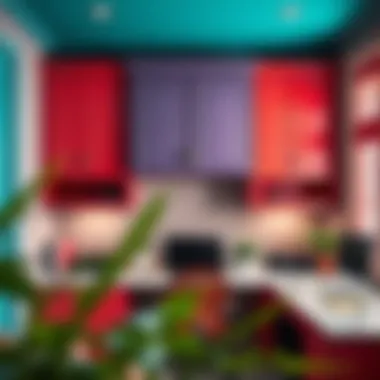
It’s essential to weigh your options carefully, whether you opt for DIY or enlist a professional. Your choice has a lasting impact on both the function and look of your space.
Contemporary Trends in Overhead Wall Cabinets
Today's homeowners are increasingly looking to enhance functionality while ensuring their spaces are visually appealing. Overhead wall cabinets, often central to effective kitchen and living room designs, are no exception. Navigating the contemporary landscape reveals a fusion of efficiency and elegance, guided by trends that prioritize sustainability and smart technology. Understanding these trends helps homeowners and designers alike create cohesive, modern, and environmentally conscious spaces.
Sustainability Considerations
Eco-friendly Materials
Eco-friendly materials are the bedrock of modern interior design, reflecting a growing emphasis on sustainability. These materials can range from responsibly sourced wood to non-toxic finishes. More than just trendy, using eco-friendly options promotes healthier living environments. For instance, bamboo cabinetry not only features a stunning aesthetic but also offers strength and durability while maintaining a low environmental impact.
An important characteristic of such materials is their renewability. Unlike traditional materials that may contribute to deforestation, options like reclaimed wood or recycled composite boards reduce waste and emphasize recycled content. However, the main challenge often lies in sourcing these materials, as not every market has equal access to sustainably harvested products.
"Choosing eco-friendly materials is akin to planting seeds for future generations, ensuring a healthier planet while enjoying an elegant living space."
Recycling and Upcycling Options
Recycling and upcycling options further add to the sustainability narrative, breathing new life into discarded materials. This approach not only minimizes waste but also creates a unique character in cabinetry. Homeowners and designers can find creative ways to integrate old doors, shutters, or even furniture into overhead wall cabinets, marrying utility with artistry.
An appealing aspect here is the personalization that comes with upcycling—each piece tells its own story. However, finding the right balance between practicality and creativity can pose a bit of a challenge. For example, an upcycled cabinet may have a charming aesthetic but could require maintenance to ensure it meets modern standards in terms of durability and safety.
Smart Features
Integrated Lighting
The addition of integrated lighting to overhead wall cabinets is revolutionizing functionality in homes. This feature goes beyond mere aesthetics, actually improving visibility and enabling better usability for items stored in cabinet spaces. Soft LED lights can illuminate the interiors, allowing users to easily locate small pantry items without rummaging through clutter.
A key characteristic of integrated lighting is its efficiency; modern lights consume less energy while providing ample brightness. Moreover, they add a layer of sophistication to the overall design of the room. On the downside, installing such features may require additional electrical work, which can elevate project costs and may necessitate professional assistance.
Technology Compatibility
As smart homes become more prevalent, technology compatibility in overhead wall cabinets is increasingly in demand. Integrating tech into cabinetry can range from hidden charging stations to connectivity with home management systems. Homeowners can control cabinet lighting or monitor inventory, making daily life more convenient.
The unique feature of technology compatibility is its ability to streamline tasks, ultimately enhancing the user experience. However, harnessing this trend may involve a steeper learning curve for some users. Moreover, the dependence on technology can sometimes lead to complications if devices malfunction or become outdated.
In summary, the exploration of contemporary trends in overhead wall cabinets, particularly focusing on sustainability and smart features, provides homeowners and designers with the tools necessary to make informed choices. From eco-friendly materials to the integration of advanced technology, these trends enhance both functionality and the living experience, paving the way for spaces that are not just beautiful but also practical in today's fast-paced world.
Maintenance and Care
Maintenance and care are often the unsung heroes in extending the life and beauty of overhead wall cabinets. While initially, the design and installation may take center stage, neglecting care can lead to frustrations and costly replacements down the line. Proper maintenance ensures not only the longevity of these cabinets but also their functionality and aesthetic appeal. Homeowners need to recognize the importance of incorporating regular upkeep into their home routines to maximize their investment.
Cleaning Techniques
Cleaning overhead wall cabinets isn't merely about wiping down the surfaces. It’s a comprehensive process that involves various techniques aimed at removing dust, grime, and stains while protecting the material. Here's a breakdown of effective cleaning practices:
- Dusting Regularly: A simple microfiber cloth can do wonders. Regular dusting keeps grime at bay and prevents it from settling into crevices.
- Gentle Cleaners: When it comes to actual cleaning, using a mild soap mixed with warm water is a good approach. Avoid harsh chemicals, as they can strip away finishes.
- Spot Cleaning: For stubborn stains, dilution of vinegar with water can act as a natural stain remover. Just apply it on the affected area and gently scrub with a soft cloth.
- Drying is Key: After cleaning, always wipe down with dry cloth to prevent moisture buildup, especially on wooden cabinets, which are prone to warping.
It's crucial to adapt these techniques based on the material of the cabinets. For instance, glass fronts might need a different touch, using glass cleaner, while wood surfaces require nourishing oils occasionally to maintain their luster.
Repair and Refinishing Tips
No matter how well one takes care of their cabinets, wear and tear can still occur over time. Whether it’s scratches, dings, or color fading, knowing how to deal with such issues is essential. Here are some practical tips for repair and refinishing:
- Address Scratches Promptly: For minor scratches on wooden cabinets, a simple touch-up with a furniture marker can mask the blemish effectively.
- Refinishing: If the surface looks more worn than you’d like, refinishing can bring back its original glory. This generally involves stripping the old finish, sanding the surface, and applying a new coat.
- Replacing Hardware: Sometimes, outdated knobs and handles can give an impression of tiredness. Swapping out cabinet hardware can refresh the look without a full renovation.
- Professional Help: If the damage seems extensive or you feel out of your depth, hiring a professional is a smart move. Their expertise can save you time and ensure the job is done right, without adding more issues.
"Taking care of your cabinets isn't just a chore; it's an investment in your home’s future."
Continual attention to maintenance and care will pave the way for products that function beautifully while looking their best. Invest time wisely, and you'll be rewarded with cabinets that stand the test of time.
Ending
In reflecting on overhead wall cabinets, an appreciation for their significance in modern living spaces emerges distinctly. These cabinets not only serve as practical storage solutions but also as dynamic components that can elevate the aesthetic appeal of a room. Their ability to maximize vertical space while keeping essentials within easy reach is a functional advantage that truly resonates with homeowners and designers alike.
A pivotal element of their utility is the versatility in design and materials available. Whether choosing a sleek metal finish for a contemporary vibe or the warmth of stained wood for a rustic feel, the options allow for a tailored approach that complements individual tastes and existing décor.
Consideration of placement also plays a key role in the efficacy of overhead wall cabinets. Strategic placement above work areas, such as kitchens or home offices, facilitates organization and enhances workflow efficiency. This strategic methodology of utilizing space does not just improve functionality; it also aligns with modern trends toward minimalism and convenience, emphasizing the importance of thoughtful design in residential spaces.
"Choosing the right overhead wall cabinet can transform a cluttered room into a harmonious space of both style and function."
Moreover, the maintenance and care of these cabinets cannot be overlooked. Regular cleaning and timely repairs contribute to their longevity, ensuring that they remain a staple in home design rather than a fleeting trend.
Overall, the exploration of overhead wall cabinets reveals that they are not merely storage units; they are design statements, practical solutions, and reflections of personal style. The integration of these cabinets into any living space is a multifaceted decision, encompassing aesthetic preferences, functionality needs, and lifestyle considerations, making them indispensable for those looking to optimize their homes.